
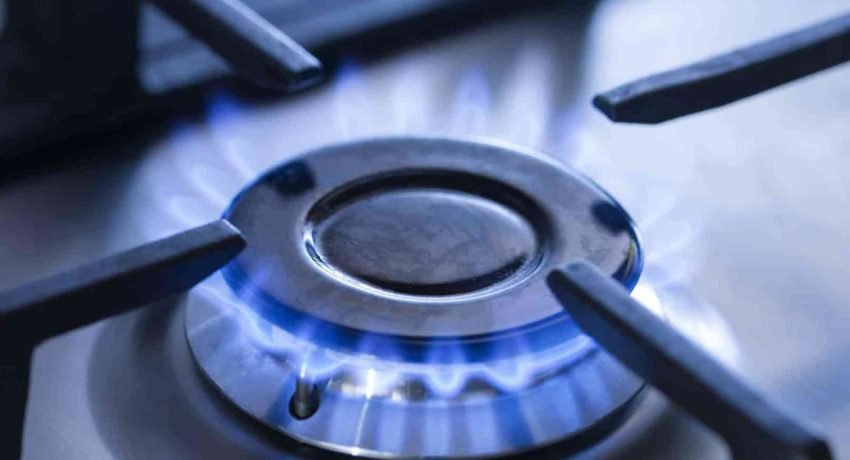
Why Gas Stove Burners Make Whistling Sounds
Gas stoves are a kitchen essential, but a whistling burner can be both annoying and concerning. Many homeowners wonder why this happens and whether it signals a safety issue. Understanding why gas stove burners make whistling sounds helps prevent damage, improve efficiency, and maintain safe cooking practices.
What Causes Gas Stove Burners to Whistle
Improper Air-to-Gas Ratio
The most common cause of a whistling burner is an imbalance in the air-to-gas mixture. Gas stoves need the right amount of oxygen for clean combustion. Too much or too little air can create turbulence, producing a high-pitched sound.
Burner Design and Size
Some burners are designed with smaller holes or unique shapes. These designs can accelerate gas flow, causing a whistle. Older stoves or budget models are more likely to produce this noise.
High Gas Pressure
If your gas supply has higher pressure than recommended, the flow through the burner can create whistling. This is common when multiple appliances share the same line. Reducing the pressure can often resolve the issue.
Debris or Blockage in Burners
Crumbs, grease, or food particles can partially block burner ports. Even a small obstruction can change gas flow dynamics, causing a whistle. Why Gas Stove Burners Make Whistling Sounds Cleaning your burners regularly prevents this problem.
Loose Burner Parts
Burners with misaligned caps or loose components can produce unusual sounds. Even a slight tilt of the burner cap affects gas flow and creates whistling. Ensuring proper assembly can eliminate the noise.
How to Fix a Whistling Gas Burner
Adjust the Air Shutter
Most burners have an adjustable air shutter. Turning it slightly can correct the air-to-gas ratio, reducing or eliminating the whistling sound. Adjust incrementally to avoid yellow flames, which indicate incomplete combustion.
Clean Your Burners Thoroughly
Remove the burner cap and wash it with warm water and mild soap. Use a soft brush or toothpick to clear blocked ports. Avoid using metal tools that could damage the burner.
Check Gas Pressure
If multiple burners or appliances produce unusual sounds, consult a professional to measure and adjust gas pressure. Overpressure can be hazardous and may reduce stove lifespan.
Reposition Burner Caps
Ensure all burner caps sit flush and aligned properly. Even minor adjustments can stabilize gas flow and stop the whistling.
Replace Old or Damaged Burners
Burners that are warped, corroded, or worn out may whistle constantly. Replacing them with new, compatible parts often solves the problem permanently.
Why the Whistling Noise Isn’t Always Dangerous
While a whistling burner can be irritating, it isn’t always a safety hazard. The New York Times Most often, it indicates minor gas flow turbulence. However, persistent yellow flames, soot, or unusual smells should be addressed immediately.
Preventing Whistling Burners
Routine Cleaning
Regularly cleaning burner holes, caps, and grates prevents debris buildup and maintains consistent gas flow.
Professional Gas Check
Schedule annual inspections to ensure gas lines, pressure, and burners are in optimal condition.
Use Correct Cookware
Oversized or uneven pots can interfere with airflow around burners, sometimes creating noise. Using appropriate cookware helps maintain steady flames.
Avoid Modifications
Never attempt DIY alterations to gas pressure or burner ports. Improper adjustments can be dangerous.
basketbanks.com is your go-to online platform for all things banking and finance. It offers up-to-date insights, tips, and comparisons on banking services, helping users make smart financial decisions. From savings accounts to investment options, basketbanks.com makes managing money simple, convenient, and informed.
FAQs About Whistling Gas Burners
Why does my gas stove make a whistling sound only on high heat?
High heat increases gas flow velocity. If the air-to-gas ratio isn’t balanced, the faster flow can create a whistling sound. Adjusting the air shutter usually fixes this.
Is a whistling gas burner dangerous?
Not always. It’s often a minor airflow issue. But if accompanied by yellow flames, soot, or gas smell, it may indicate incomplete combustion or a leak.
How do I stop my gas burner from whistling?
Check for blocked ports, adjust the air shutter, align burner caps, or replace old burners. Maintaining clean burners is essential.
Can gas pressure cause burner whistling?
Yes. High or uneven gas pressure increases flow turbulence, creating a whistling sound. Professionals can safely adjust the pressure.
Are some burners naturally louder than others?
Yes. Smaller, high-output burners or older models are more prone to whistling due to design and airflow characteristics.
Understanding why gas stove burners make whistling sounds can save you stress and prevent potential safety risks. Simple solutions like cleaning, adjusting air shutters, or checking gas pressure often solve the issue. Regular maintenance and professional inspections keep your stove safe and quiet.
For a detailed guide on this topic, check our comprehensive Why Gas Stove Burners Make Whistling Sounds Guide. Stay informed and ensure your kitchen runs smoothly without disruptive noises.
For additional expert advice on kitchen appliances, refer to articles from trusted sources like The New York Times.