
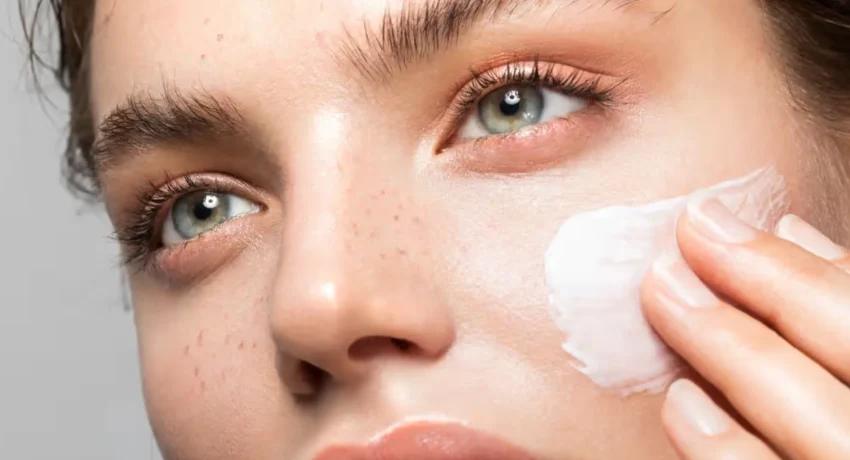
Healthy and glowing skin often depends less on expensive products and more on using skincare products correctly. Beauty creams are among the most commonly used skincare products worldwide, yet many people apply them without understanding how timing, skin preparation, and product selection affect results.
Using beauty cream properly can improve hydration, support smoother skin texture, and help maintain a healthier appearance over time. Whether the goal is moisturizing dry skin, improving brightness, or supporting anti-aging care, the right application method makes a noticeable difference.
Many skincare experts recommend applying beauty cream on clean and slightly damp skin because this helps the product absorb more effectively. Consistency also matters more than excessive product usage.
Understanding the Purpose of Beauty Cream
Beauty creams are designed to support different skincare goals. Some focus on hydration while others target brightness, uneven texture, acne marks, or aging signs. Before using any cream regularly, it is important to understand its intended purpose.
Most creams contain active ingredients that work best when used according to skin type and recommended frequency. Applying too much product or layering incompatible skincare products may lead to irritation instead of improvement.
People interested in broader skincare and beauty routines can also explore related content in the BBC for additional personal care insights.

How To Use Beauty Cream Correctly
Applying beauty cream properly involves more than simply spreading it across the face. A structured skincare routine improves absorption and helps the skin respond more effectively to active ingredients.
Cleanse the Skin Thoroughly
Start by washing your face with a gentle cleanser suitable for your skin type. Cleansing removes dirt, oil, makeup residue, and environmental impurities that can block product absorption.
Using cream on unclean skin may trap bacteria and excess oil, which can contribute to breakouts or irritation.
Pat the Face Dry
After cleansing, gently pat the face with a soft towel. Avoid rubbing aggressively because excessive friction may irritate sensitive skin.
Leaving the skin slightly damp can help lock in moisture when the cream is applied.
Apply a Small Amount
One of the most common mistakes is using too much product. A pea-sized amount is usually enough for the entire face.
Using excessive cream does not necessarily improve results and may leave the skin greasy or clogged.
Spread Evenly Using Upward Motions
Use clean fingertips to spread the cream evenly across the forehead, cheeks, nose, and chin. Gentle upward circular motions are commonly recommended because they reduce unnecessary pulling on the skin.
Areas around the eyes should be treated carefully because the skin there is thinner and more delicate.
Allow Proper Absorption
Give the cream a few minutes to absorb before applying makeup or sunscreen. Rushing through skincare layers may reduce product effectiveness.
Some users also combine creams with nighttime skincare routines for better hydration and recovery while sleeping.
Best Time To Apply Beauty Cream
The ideal application time depends on the type of cream being used. Most beauty creams are designed for either daytime or nighttime use.
| Type of Beauty Cream | Recommended Time | Main Purpose |
|---|---|---|
| Moisturizing Cream | Morning and Night | Hydration and skin barrier support |
| Brightening Cream | Usually Night | Improve skin tone appearance |
| Anti-Aging Cream | Night | Support skin repair and elasticity |
| Day Cream with SPF | Morning | Protection from sunlight exposure |
Following product instructions is important because some ingredients may react differently when exposed to sunlight.
Choosing the Right Beauty Cream for Your Skin Type
Not every cream works for every person. Skin type plays a major role in selecting the right formula.
Dry Skin
People with dry skin usually benefit from thicker creams containing hydrating ingredients like glycerin, ceramides, or hyaluronic acid.
Oily Skin
Lightweight and non-comedogenic creams are generally preferred for oily skin because they reduce the risk of clogged pores.
Sensitive Skin
Fragrance-free products with minimal harsh chemicals are often safer choices for sensitive skin types.
Combination Skin
Balanced formulas that hydrate without excessive oiliness usually work best for combination skin.
Learning how different creams are applied can also be helpful. For example, guides discussing face cream application techniques explain practical usage methods suitable for daily skincare routines.
Common Mistakes People Make While Using Beauty Cream
Even high-quality skincare products may produce disappointing results when used incorrectly. Some mistakes are extremely common and easy to avoid.
- Applying cream on dirty skin
- Using excessive product quantity
- Ignoring sunscreen during daytime
- Changing products too frequently
- Skipping patch testing before use
- Applying incompatible skincare ingredients together
Patience is also important because skincare products usually require consistent usage over several weeks before noticeable improvements appear.
Importance of Patch Testing
Before applying a new beauty cream to the entire face, patch testing helps reduce the risk of allergic reactions or irritation.
Apply a small amount of product behind the ear or on the inner wrist and wait 24 hours. Redness, itching, or burning sensations may indicate sensitivity to certain ingredients.
This simple step is especially important for creams containing active ingredients such as retinol, acids, or strong brightening agents.
How To Layer Beauty Cream With Other Skincare Products
Skincare products should usually be applied from the lightest texture to the heaviest texture. This helps products absorb correctly without blocking each other.
A simple skincare layering routine may look like this:
- Cleanser
- Toner
- Serum
- Beauty cream or moisturizer
- Sunscreen during daytime
Using too many products simultaneously may overwhelm the skin, especially for beginners.
Can Beauty Cream Help Achieve Glowing Skin?
Beauty cream can support healthier-looking skin, but glowing skin usually results from a combination of factors including hydration, nutrition, sleep, and sun protection.
Consistent skincare routines are generally more effective than occasional heavy product use. Choosing products suitable for your skin type also plays a major role.
Some skincare routines combine creams with gentle cleansing, hydration support, and protective ingredients for more balanced results.
Understanding Ingredients in Beauty Creams
Reading product labels helps users make informed skincare decisions. Certain ingredients are commonly used for specific skincare goals.
| Ingredient | Common Purpose |
|---|---|
| Hyaluronic Acid | Hydration support |
| Niacinamide | Skin tone improvement |
| Vitamin C | Brightness support |
| Retinol | Anti-aging support |
| Ceramides | Skin barrier protection |
Understanding ingredient functions allows users to select products more carefully instead of relying entirely on marketing claims.
Day Cream vs Night Cream
Many people wonder whether separate day and night creams are necessary. While some products can work for both, others are designed specifically for daytime or nighttime routines.
Day creams are usually lighter and may include SPF protection, while night creams often contain richer ingredients focused on repair and hydration.
For people interested in cream-specific routines, resources explaining How To Use Beauty Cream Guide can provide additional practical guidance.
How Long Does It Take To See Results?
Skincare improvements vary depending on skin type, consistency, product ingredients, and lifestyle habits. Some moisturizing effects may appear within days, while improvements in skin texture or brightness can take several weeks.
Consistency is more important than frequent product switching. Using products regularly and correctly gives the skin enough time to respond.
Should Beauty Cream Be Used Daily?
Most moisturizing creams are designed for daily use, while stronger active creams may require limited application depending on the ingredient concentration.
Following manufacturer instructions and observing how the skin reacts can help determine the ideal usage frequency.
Benefits of Proper Beauty Cream Usage
- Improved skin hydration
- Support for smoother texture
- Healthier-looking appearance
- Better skin barrier protection
- Reduced dryness and roughness
- Enhanced comfort during weather changes
Results are typically more noticeable when beauty cream usage is combined with healthy skincare habits and balanced lifestyle choices.
Frequently Asked Questions
Can I apply beauty cream multiple times a day?
Most moisturizing creams can be used twice daily, but stronger active creams should be used according to product instructions.
Should sunscreen be applied after beauty cream?
Yes. Sunscreen is generally applied after moisturizer or beauty cream during daytime skincare routines.
Can beauty cream cause acne?
Some heavy or unsuitable products may clog pores for certain skin types. Choosing non-comedogenic formulas may help reduce this risk.
Is beauty cream necessary for oily skin?
Yes. Oily skin still requires hydration, but lightweight oil-free products are usually more suitable.
Can I use beauty cream before makeup?
Yes. Many people apply moisturizer or beauty cream before makeup to create a smoother base.
Final Thoughts
Understanding how to use beauty cream correctly can improve both skincare results and overall skin comfort. Proper cleansing, moderate product usage, consistent application, and selecting products based on skin type are all important parts of an effective routine.
Skincare does not always require complicated routines or excessive products. Simple habits practiced consistently often provide the most reliable long-term results.
Readers looking for additional skincare insights and beauty-related discussions can also explore more articles available on Basket Banks.
Related Reading: How to Maintain Skin Health Naturally
Related Reading: Top Beauty Hacks for Perfect Skin