Introduction
Tracking business performance effectively is essential for any company looking to grow sustainably. Without accurate insights, even the most ambitious strategies can falter. By monitoring the right metrics, businesses can understand their strengths, identify weaknesses, and make informed decisions. In this article, we’ll explore practical strategies, tools, and techniques that can help you track your business performance more effectively, ensuring long-term growth and operational efficiency.
Why Tracking Business Performance Matters
Monitoring business performance is not just about numbers; it’s about understanding the story behind them. Effective performance tracking helps in:
- Measuring progress toward goals
- Identifying operational inefficiencies
- Making data-driven decisions
- Boosting profitability and growth
Businesses that track their performance consistently can respond faster to challenges and adapt to market changes efficiently.
Key Metrics to Track Business Performance
To track business performance effectively, you must focus on the right metrics. These key performance indicators (KPIs) offer valuable insights into different aspects of your business.
Financial Metrics
- Revenue Growth: Track monthly, quarterly, and yearly revenue to evaluate business expansion.
- Profit Margins: Monitor gross and net profit margins to ensure profitability.
- Cash Flow: Understand cash inflows and outflows to maintain financial stability.
Operational Metrics
- Customer Acquisition Cost (CAC): Measures the cost of acquiring a new customer.
- Employee Productivity: Track output relative to employee hours to improve efficiency.
- Inventory Turnover: Helps understand how quickly products are sold and replenished.
Customer-Centric Metrics
- Customer Retention Rate: Indicates loyalty and satisfaction.
- Net Promoter Score (NPS): Measures customer willingness to recommend your business.
- Customer Lifetime Value (CLV): Estimates total revenue from a customer over time.
Tools for Tracking Business Performance
Using the right tools can make performance tracking easier, faster, and more accurate.
Accounting and Financial Tools
Software like QuickBooks, Xero, or FreshBooks provides real-time financial reports that help track revenue, expenses, and profitability effortlessly.
Business Intelligence Tools
Business intelligence platforms like Tableau, Power BI, or Looker allow companies to visualize data, uncover trends, and make informed decisions.
CRM Systems
Customer relationship management tools, such as Salesforce or HubSpot, track sales, customer interactions, and overall engagement, helping improve customer-related KPIs.
Steps to Track Business Performance Effectively
Simply knowing the metrics isn’t enough. You need a structured approach to ensure accurate tracking.
Define Clear Goals
Establish measurable objectives for revenue, customer growth, and operational efficiency. Clear goals provide a benchmark for evaluating performance.
Select Relevant KPIs
Choose KPIs that align with your business goals. For example, if your aim is customer growth, focus on CAC, CLV, and retention rates.
Establish a Data Collection Process
Implement systems to collect and store data consistently. Automating data collection minimizes errors and saves time.
Analyze and Interpret Data
Look beyond numbers. Understand trends, patterns, and correlations. Regular analysis helps identify opportunities and threats early.
Review and Adjust Strategies
Performance tracking is ongoing. Use insights to refine business strategies, optimize operations, and boost profitability continuously.
Common Challenges and How to Overcome Them
Tracking business performance comes with challenges that, if not addressed, can lead to misinformed decisions.
Inaccurate Data
Poor data quality leads to misleading insights. Ensure proper data entry protocols and validate data regularly.
Overcomplicating Metrics
Too many KPIs can confuse decision-making. Focus on the most impactful metrics aligned with your objectives.
Ignoring Qualitative Insights
Numbers alone can’t tell the full story. Combine data with customer feedback, employee input, and market trends for a holistic view.
Best Practices for Effective Performance Tracking
- Maintain consistency in tracking and reporting schedules
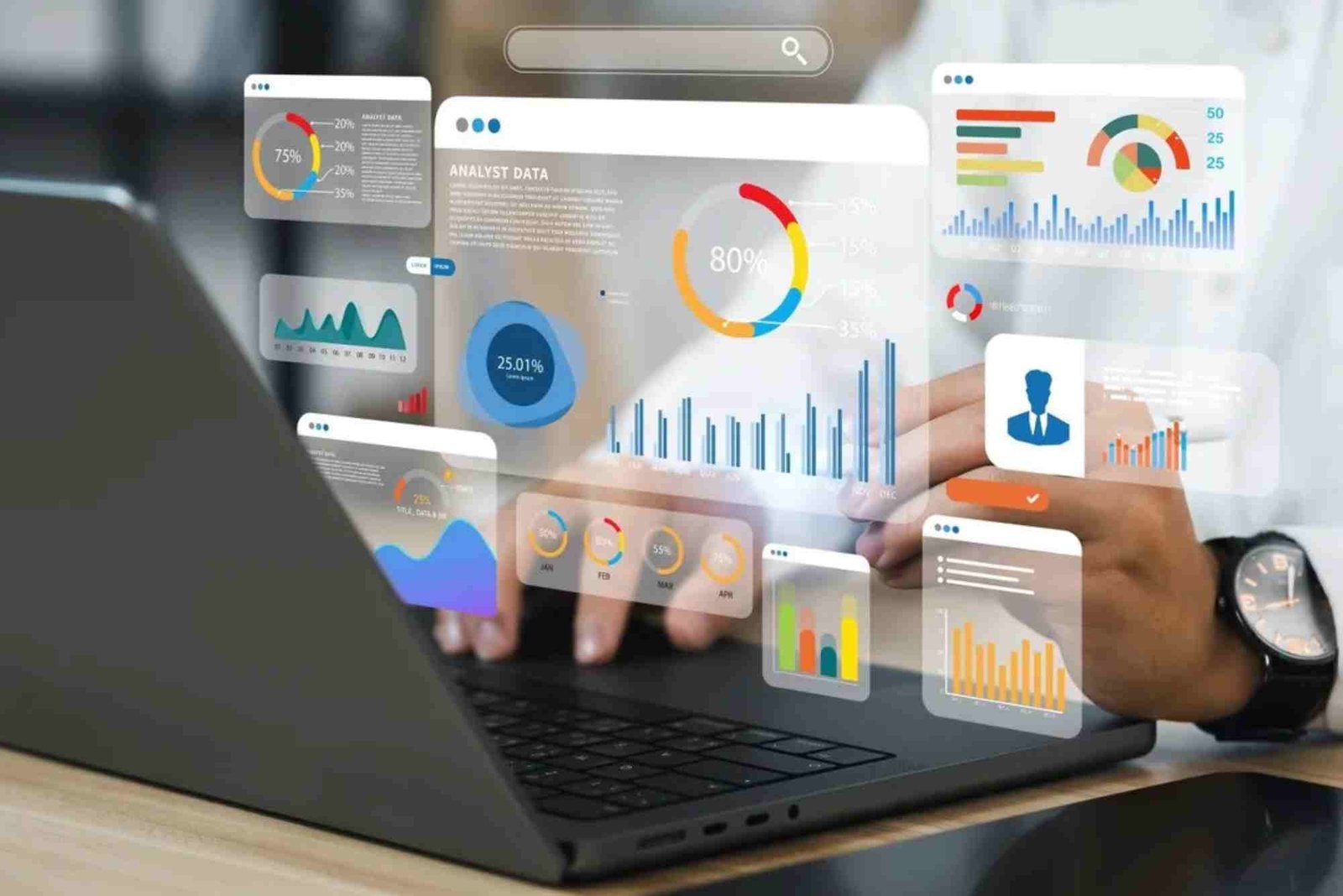
- Use dashboards for quick visualization of key metrics
- Encourage team involvement in performance reviews
- Benchmark against industry standards
- Continuously update tools and processes as business needs evolve
Tracking business performance effectively is a cornerstone of sustainable growth. By focusing on the right KPIs, leveraging the right tools, and following a structured approach, businesses can gain actionable insights, make informed decisions, and achieve long-term success. Start today by defining your goals, selecting KPIs, and implementing a reliable tracking system to stay ahead of the competition.
FAQs
How can I track business performance without complex software?
You can use spreadsheets to monitor key metrics like revenue, expenses, and customer data. While less automated, spreadsheets are flexible and cost-effective for small businesses.
Which KPIs are most important for small businesses?
Focus on revenue growth, profit margins, customer retention, and CAC to understand your financial health and customer engagement.
How often should I review business performance?
Monthly reviews are ideal for most businesses, while critical KPIs should be monitored weekly for timely decisions.
Can performance tracking improve employee productivity?
Yes, tracking productivity and providing regular feedback can motivate employees and optimize operational efficiency.
What is the difference between metrics and KPIs?
Metrics are general measurements, while KPIs are specific, goal-oriented metrics that reflect performance relative to strategic objectives.
Best Ways to Improve Financial Stability During Uncertain Times – Protecting your finances in uncertain times requires smart planning. Focus on building an emergency fund, reducing unnecessary expenses, diversifying income sources, and staying informed about market trends. These steps help you maintain stability and prepare for unexpected challenges.