
Introduction
Modern vehicles are packed with advanced systems, from smart infotainment screens to driver assistance tools. Yet, many drivers only scratch the surface of what their cars can do. Understanding how to make better use of automobile technology features can improve safety, enhance comfort, and even save money over time.
Whether you drive a compact car or a high-end SUV, learning how to fully utilize these innovations will transform your driving experience. This guide explains practical ways to unlock the full potential of your vehicle’s technology without overcomplicating things.
Understanding Automobile Technology Features
What Are Automobile Technology Features?
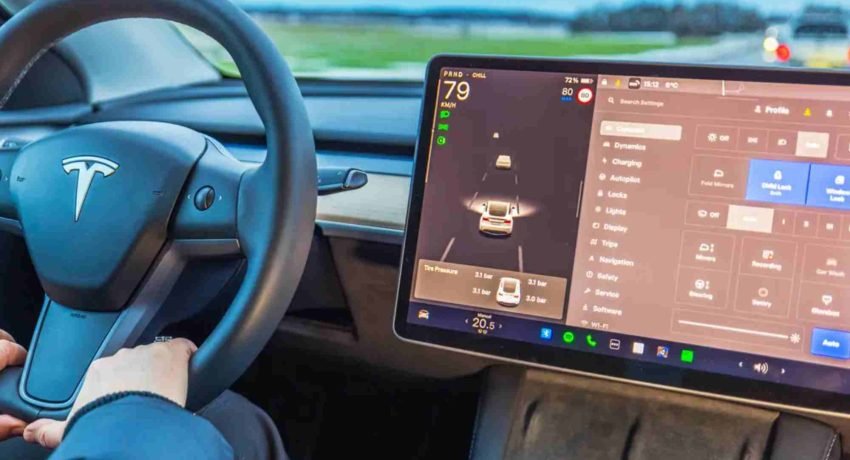
Automobile technology features include all the digital and electronic systems built into modern vehicles. These range from navigation systems and parking sensors to advanced driver-assistance systems (ADAS).
Why They Matter
Using these features properly can:
- Improve road safety
- Reduce driver fatigue
- Increase fuel efficiency
- Enhance overall driving comfort
Many drivers ignore these benefits simply because they don’t take time to learn how the systems work.
Smart Infotainment Systems
Using Navigation Efficiently
Built-in GPS systems are more than just maps. You can:

- Avoid traffic congestion
- Find fuel stations or service centers
- Get real-time route updates
Always update your maps regularly to ensure accuracy.
Voice Commands for Safer Driving
Voice control allows you to:
- Make calls hands-free
- Send messages
- Control music or navigation
This reduces distractions and keeps your focus on the road.
Smartphone Integration
Features like Apple CarPlay or Android Auto connect your phone to your car. Use them to:
- Access apps safely
- Stream music
- Use familiar navigation tools
Advanced Driver-Assistance Systems (ADAS)
Adaptive Cruise Control
This feature maintains a safe distance from the car ahead. To use it effectively:
- Set a comfortable following distance
- Use it on highways for best results
Lane Keeping Assist
Lane assist helps keep your vehicle centered. It’s useful during long drives but should not replace attentive driving.
Automatic Emergency Braking
This system detects potential collisions and applies brakes automatically. Make sure sensors are clean for accurate performance.
Safety Features You Should Not Ignore
Blind Spot Monitoring
This alerts you when a vehicle is in your blind spot. Always combine it with manual checks for maximum safety.
Parking Assistance
Parking sensors and cameras make tight parking easier. Practice using them to gain confidence in crowded areas.
Traction and Stability Control
These systems help maintain control on slippery roads. Keep them activated at all times unless specific conditions require otherwise.
Fuel Efficiency and Performance Tech
Eco Mode Driving
Eco mode adjusts engine performance to save fuel. Use it in city driving for better mileage.
Real-Time Fuel Monitoring
Monitor your fuel consumption through the dashboard display. Adjust your driving habits accordingly.
Engine Start-Stop Systems
This feature turns off the engine when idle. It reduces fuel usage, especially in traffic-heavy areas.
Connectivity and Smart Features
Remote Access Apps
Many cars now offer mobile apps that let you:
- Lock/unlock doors
- Start the engine remotely
- Track vehicle location
Over-the-Air Updates
Some vehicles receive software updates automatically. These updates improve performance and add new features.
Wi-Fi Hotspots
In-car Wi-Fi keeps passengers connected. It’s especially useful for long trips or business travel.
Maintenance Technology
Digital Diagnostics
Modern vehicles can alert you about issues before they become serious. Pay attention to warning lights and notifications.
Service Reminders
Follow automated service alerts to keep your car in optimal condition.
Tire Pressure Monitoring Systems (TPMS)
Maintaining proper tire pressure improves safety and fuel efficiency. Check readings regularly.
Common Mistakes to Avoid
Ignoring the Owner’s Manual
Many drivers skip the manual, missing out on useful insights. Take time to understand your car’s features.
Over-Reliance on Automation
Technology assists but does not replace human judgment. Always stay alert.
Not Updating Software
Outdated systems can reduce efficiency and safety. Keep your vehicle software up to date.
Tips to Maximize Automobile Technology Features
Learn One Feature at a Time
Avoid feeling overwhelmed. Focus on mastering one system before moving to another.
Practice in Safe Environments
Test features like parking assist in empty areas before using them in real situations.
Stay Informed
Technology evolves quickly. Keep learning about new updates and features.
Benefits of Using Automobile Technology Properly
- Better driving safety
- Reduced stress during long trips
- Improved vehicle lifespan
- Enhanced driving enjoyment
When used correctly, these technologies make driving smarter, not harder.
Learning how to make better use of automobile technology features is no longer optional—it’s essential for modern drivers. From safety systems to smart connectivity, these tools are designed to make your driving experience smoother and safer.
FAQs
How can I learn all the features of my car?
Start with the owner’s manual and focus on one feature at a time. You can also watch tutorials specific to your car model.
Are automobile technology features safe to rely on?
Yes, but they are designed to assist, not replace, the driver. Always stay attentive while driving.
Do I need to update my car’s software regularly?
Yes, updates improve performance, fix bugs, and sometimes add new features.
Which automobile technology feature is most useful?
It depends on your needs, but safety features like automatic emergency braking and blind spot monitoring are highly valuable.
Can using these features save fuel?
Yes, features like eco mode and start-stop systems can significantly improve fuel efficiency.
Best Automobile Tips for Safer Highway Driving: Safe highway driving starts with proper vehicle maintenance, including checking brakes, tires, and lights before every trip. Always maintain a safe distance, follow speed limits, and stay alert to road conditions. Avoid distractions like mobile phones, use indicators properly, and take breaks during long drives to stay focused and reduce fatigue.
Related Reading: Top Automobile Maintenance Ideas for Better Ownership Value
Related Reading: Best Automobile Features for Better Driving Control
Related Reading: How to Improve Automobile Health with Routine Inspection
Related Reading: Why Gas Stove Burners Make Whistling Sounds — full guide
Related Reading: Become A Live Concert Sounds Engineer In Delhi