
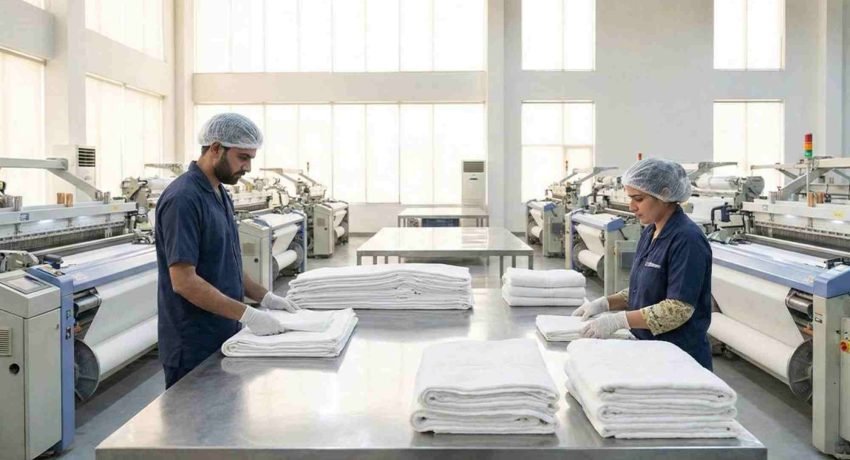
How Do Suppliers Handle Bulk Linen Returns
Handling bulk linen returns is a critical process for suppliers managing hotels, hospitals, and commercial businesses. These returns can involve hundreds or thousands of items, making efficiency, hygiene, and inventory management vital. Understanding how suppliers handle bulk linen returns helps businesses maintain smooth operations and minimize losses. In this guide, we will break down the entire process, best practices, and expert strategies.
Introduction to Bulk Linen Returns
Bulk linen returns refer to the process where businesses send used or excess linens back to suppliers. This can include bed sheets, towels, tablecloths, uniforms, and other fabric items. Proper handling is essential to prevent damage, contamination, and inventory errors. Suppliers often face challenges such as sorting, quality checks, cleaning, and restocking. Efficient processes ensure that returned linen is either refurbished for reuse or recycled responsibly.
The Importance of Proper Linen Return Handling
Proper handling of bulk linen returns is important for several reasons:
Hygiene and Safety
Used linens can carry bacteria, chemicals, or stains. Suppliers follow strict protocols to prevent contamination and protect workers.
Inventory Accuracy
Tracking returned items accurately ensures businesses maintain correct stock levels, avoiding shortages or overstocking.
Cost Efficiency
Efficient handling reduces waste, refurbishment costs, and operational delays, ultimately saving money for both suppliers and clients.
Environmental Responsibility
Many suppliers recycle damaged linens, supporting sustainability and reducing landfill waste.
Steps Suppliers Take to Handle Bulk Linen Returns
Receiving and Logging Returns
When bulk linens arrive at the supplier’s facility, they are first logged into the system. Each item is counted and tagged to track its condition and origin. Modern suppliers use barcode scanning or RFID technology for accurate inventory management.
Initial Inspection
Suppliers conduct a visual inspection to identify damage, stains, or wear. Items are categorized as reusable, repairable, or unsalvageable. This step ensures that only high-quality linen is returned to clients.
Sorting by Type and Condition
After inspection, linens are sorted by type—towels, sheets, uniforms—and condition. Sorting helps streamline the cleaning and refurbishment processes.
Cleaning and Sanitization
Suppliers follow industrial laundry standards to sanitize linens thoroughly. They use specialized detergents, high-temperature washing, and sometimes chemical treatments to remove tough stains.
Repairing or Refurbishing
Minor damages, such as small tears or missing buttons, are repaired. This step maximizes reuse and reduces the need for new linen production.
Quality Control Check
Before returning items to inventory, a final quality check ensures linens meet client standards. Any items failing quality control are either recycled or disposed of responsibly.
Restocking and Delivery Preparation
After quality checks, linens are folded, packed, and restocked in inventory. Suppliers prepare them for delivery back to clients, ensuring timely replacement and seamless service.
Challenges Suppliers Face in Bulk Linen Returns
Volume Management
Large-scale returns can overwhelm processing facilities, leading to delays if not managed efficiently.
Maintaining Hygiene Standards
Suppliers must adhere to strict hygiene protocols to prevent contamination and cross-infection.
Accurate Record-Keeping
Mismanaged records can lead to lost items, disputes, or inventory discrepancies.
Cost Control
The refurbishment and cleaning process can be costly. How Do Suppliers Handle Bulk Linen Returns Guide Suppliers need efficient systems to reduce unnecessary expenses.
Environmental Regulations
Suppliers must follow recycling and waste disposal laws, especially for unsalvageable linen.
Best Practices for Efficient Linen Return Handling
Implement Technology Solutions
Use barcode or RFID tracking to monitor linen movement and minimize errors.
Staff Training
Ensure employees are trained in hygiene, quality checks, and sorting procedures.
Standardize Processes
Create a consistent workflow for receiving, inspecting, cleaning, and restocking linen.
Partner with Sustainable Vendors
Consider recycling programs and eco-friendly cleaning methods to reduce environmental impact.
Regular Audits
Periodic audits help identify inefficiencies and improve overall handling procedures.
How Suppliers Support Businesses Through Returns
Suppliers provide more than just linen processing. They act as strategic partners, offering advice on inventory planning, quality assurance, and replacement schedules. Businesses can benefit from detailed reports on usage trends, condition monitoring, and recommendations for bulk purchases. This helps reduce costs and ensures high-quality linen is always available.
Tools and Equipment Used by Suppliers
Suppliers often invest in specialized equipment, such as industrial washers, dryers, folding machines, and repair stations. These tools improve efficiency and maintain linen quality. Advanced software systems track every item from pickup to delivery, ensuring accountability.
Case Study: Hotel Linen Returns
Hotels frequently return large volumes of linen weekly. A supplier handling hotel linens focuses on rapid sorting, professional cleaning, and quick turnaround. By using automated tracking systems and quality inspections, suppliers reduce delays, minimize replacements, and maintain hygiene standards crucial for guest satisfaction.
Efficient handling of bulk linen returns is essential for suppliers and businesses alike. By following a structured process—receiving, inspecting, cleaning, repairing, quality checking, and restocking—suppliers maintain hygiene, save costs, and support operational efficiency. Businesses benefit from timely returns, consistent quality, and sustainable practices.
For businesses seeking expert guidance, learning How Do Suppliers Handle Bulk Linen Returns Guide can help optimize your linen management strategy and ensure smooth operations.
Call your supplier today to discuss tailored solutions and make linen returns seamless.
basketbanks.com is your go-to online platform for all things banking and finance. It offers up-to-date insights, tips, and comparisons on banking services, helping users make smart financial decisions. From savings accounts to investment options, basketbanks.com makes managing money simple, convenient, and informed.
Frequently Asked Questions
What happens to bulk linen returns?
Returned linens are inspected, sorted, cleaned, repaired if possible, and restocked or recycled.
How long does the bulk linen return process take?
The process depends on volume, condition, and supplier capacity but typically ranges from 2–7 days.
Can damaged linens be reused?
Minorly damaged linens are repaired and refurbished. Severely damaged items are recycled responsibly.
How do suppliers track bulk linen returns?
Suppliers use barcodes, RFID, or inventory software to monitor every returned item accurately.
Are linen returns environmentally friendly?
Yes, suppliers often recycle unsalvageable linens and use eco-friendly cleaning methods, supporting sustainability.
Which industries frequently return bulk linens?
Hotels, hospitals, restaurants, and spas often handle bulk linen returns regularly.
How can businesses ensure smooth linen returns?
Maintain clear communication with suppliers, label items accurately, and follow pickup schedules.
How do suppliers maintain hygiene during returns?
They use industrial washing, high-temperature sanitization, and strict handling protocols to prevent contamination.
What are the costs associated with linen returns?
Costs vary by volume, cleaning, repairs, and logistics, but efficient handling minimizes unnecessary expenses.
Where can I learn more about best practices in linen management?
Resources such as BBC articles on supply chain management provide insights into industry standards and innovations.