Introduction
Many homeowners suddenly notice a strange whistling noise coming from their kitchen stove. This sound can be surprising, especially when the burner appears to work normally. Understanding Why Gas Stove Burners Make Whistling Sounds can help you identify the problem quickly and prevent possible cooking issues.
A gas stove burner usually produces a steady blue flame with minimal noise. However, when airflow, gas pressure, burner parts, or installation conditions change, the burner may create a high-pitched whistle. In most cases, the cause is simple and can be corrected with basic maintenance.
This guide explains the common reasons behind burner whistling sounds, how to fix them safely, and when professional help may be necessary. For more detailed information, you can also read this helpful resource about Why Gas Stove Burners Make Whistling Sounds.
Why Gas Stove Burners Make Whistling Sounds
A gas stove burner creates heat by mixing gas with air before ignition. When this mixture is not balanced properly, the burner may produce unusual sounds. The whistle usually happens because air or gas moves through small openings at a speed that creates vibration.
The burner cap, gas ports, and air shutter all play important roles in maintaining proper combustion. If any of these components become dirty, blocked, or incorrectly positioned, the burner may start making a whistling noise.
Dirty or Blocked Burner Openings
One of the most common reasons why gas stove burners make whistling sounds is blocked burner holes. Food particles, grease, and dust can collect around the small openings where the flame comes out.

When these holes become partially blocked, gas cannot escape evenly. The uneven gas flow creates pressure changes, which may result in a whistle.
Cleaning the burner regularly can often solve this issue. Remove the burner cap carefully and clean the openings using a soft brush or a suitable cleaning tool. Avoid using sharp objects that may damage the burner holes.
Incorrect Air and Gas Mixture
Gas burners need the correct balance between fuel and oxygen. Too much or too little air can affect how the flame burns.
When excess air enters the burner system, it may create turbulence inside the burner and produce a whistling sound. A flame that lifts away from the burner or makes unusual noises may indicate an incorrect air mixture.
The air shutter controls the amount of oxygen entering the burner. Adjusting it correctly can restore normal operation, but this adjustment should be done carefully.
Loose or Misplaced Burner Cap
A burner cap that is not positioned correctly can also explain Why Gas Stove Burners Make Whistling Sounds. The cap spreads the flame evenly across the burner surface.
If the cap is tilted, damaged, or not sitting properly, gas may escape unevenly. This creates vibration and causes a whistling noise.
After cleaning your stove, always make sure the burner cap is placed correctly. A simple adjustment can often remove the sound immediately.
High Gas Pressure Problems
Another possible reason for a whistling burner is excessive gas pressure. Gas appliances are designed to operate within specific pressure limits.
If the pressure is too high, the burner may receive more gas than it can properly burn. This can create louder flames, unusual sounds, or inconsistent heating.
High gas pressure is not always something homeowners can fix themselves. If adjusting the burner and cleaning it does not solve the problem, contacting a qualified technician is recommended.
Damaged Burner Components
Over time, burner parts can wear out. Cracks, corrosion, or damage to the burner head may affect gas distribution.
A damaged burner may produce uneven flames and strange sounds. Replacing worn components can restore proper performance and improve safety.
Regular inspection helps identify small problems before they become expensive repairs.
Gas Stove Installation Issues
Incorrect installation can also cause burner noises. A stove that is not properly connected or leveled may experience airflow problems.
Professional installation ensures that gas connections, pressure settings, and ventilation requirements are correct. Proper installation also reduces the chances of future burner problems.
According to many scientific and environmental resources, including information shared by National Geographic, understanding household systems and energy use helps people make safer decisions in their homes.
How to Stop a Gas Stove Burner From Whistling
If your gas burner starts making a whistling noise, you can follow a few simple steps.
First, turn off the burner and allow it to cool completely. Remove the burner cap and check for dirt, grease, or food particles.
Clean the burner openings carefully and make sure every part is dry before putting it back together. A wet burner can also affect the flame pattern.
Next, check whether the burner cap is properly aligned. A small adjustment may solve the issue.
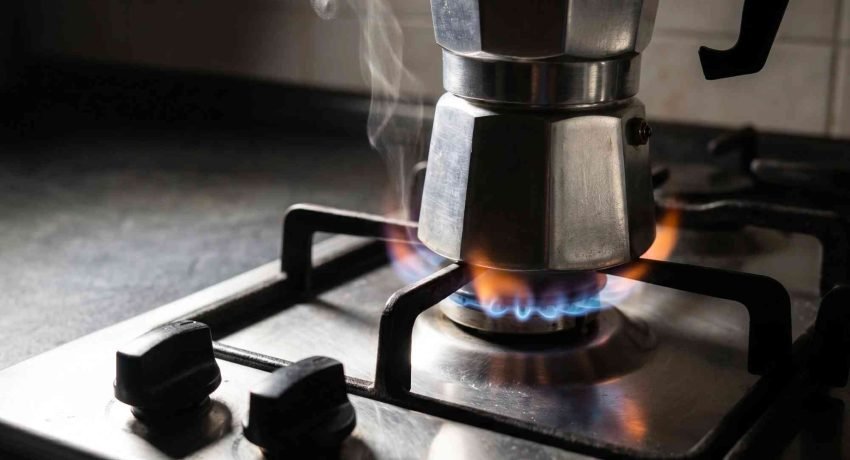
If the sound continues, inspect the flame. A normal gas flame should usually appear blue and steady. Yellow flames, popping sounds, or strong gas smells may indicate a bigger problem.
Is a Whistling Gas Burner Dangerous?
A whistling burner is not always dangerous. Many cases are caused by simple cleaning or alignment issues.
However, unusual sounds should not be ignored. If you notice a gas smell, unstable flames, or repeated burner problems, turn off the stove and seek professional assistance.
Gas appliances require careful handling because incorrect repairs can create safety risks. Never attempt complicated gas adjustments unless you have proper training.
Preventing Gas Stove Burner Noise Problems
Regular maintenance is the best way to prevent burner noises. Clean your burners frequently and remove spills before they build up.
Avoid allowing grease and food debris to collect around burner openings. Keep burner parts dry and correctly positioned after cleaning.
It is also helpful to have your gas stove inspected periodically. Professional checks can identify pressure issues, damaged parts, or ventilation concerns.
A well-maintained stove provides better cooking performance and lasts longer.
Why Gas Stove Burners Make Whistling Sounds Guide
Learning Why Gas Stove Burners Make Whistling Sounds Guide helps homeowners understand their appliances better. Most burner noises are caused by airflow problems, blocked openings, incorrect burner placement, or gas pressure issues.
Instead of immediately replacing the stove, check the basic components first. Simple cleaning and proper maintenance often restore normal operation.
However, safety should always come first. Gas-related problems require caution because incorrect handling can lead to serious issues.
Frequently Asked Questions
Why is my gas stove burner making a whistling noise?
A gas stove burner may whistle because of blocked burner holes, incorrect air and gas mixture, a misplaced burner cap, or high gas pressure. Cleaning and checking the burner parts can often solve the issue.
Can a dirty burner cause a whistling sound?
Yes, dirt and food particles can block gas openings and create uneven gas flow. This imbalance may cause vibration and produce a whistling noise.
Is it normal for a gas burner to whistle?
A slight sound may occur occasionally, but a continuous whistling noise usually indicates that something needs attention. Checking the burner components is recommended.
How do I fix a whistling gas stove burner?
Start by cleaning the burner holes, checking the burner cap position, and ensuring all parts are dry and correctly installed. If the problem continues, contact a professional technician.
Should I stop using a gas stove that whistles?
If the burner only makes a mild whistle and works normally, basic maintenance may fix it. However, stop using the stove if you smell gas or notice unusual flames.
Discover reliable financial insights, banking updates, and helpful money management resources designed to keep you informed and confident about your financial decisions. Whether you are exploring savings options, digital banking solutions, or smart financial strategies, Basket Banks provides valuable information to help readers better understand modern banking and personal finance. Visit the platform to explore useful guides, expert tips, and the latest updates for managing your financial future.