
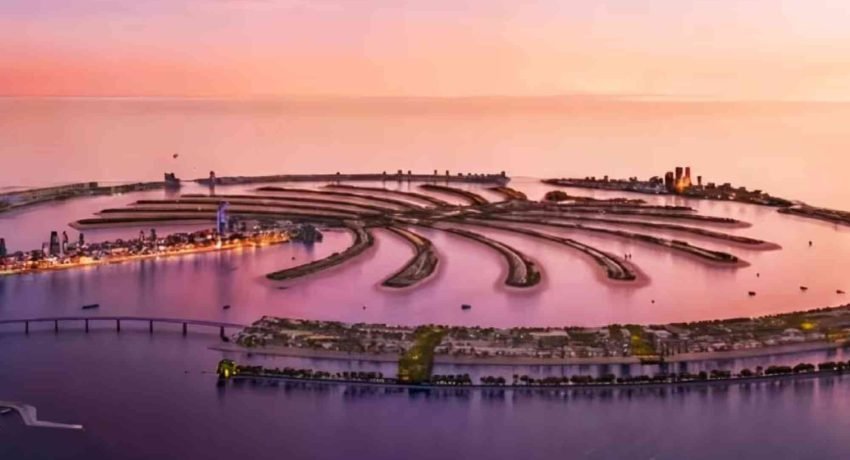
IEnvironmental Considerations For Waterfront Development In Palm Jebel Ali — What You Need to Know
Developing waterfront properties in Palm Jebel Ali requires a delicate balance between urban growth and environmental stewardship. The region’s unique coastal ecosystem, combined with ambitious real estate projects, makes it imperative to prioritize sustainable development practices. This article explores the key environmental considerations for waterfront development in Palm Jebel Ali, offering insights for developers, policymakers, and stakeholders.
Understanding Palm Jebel Ali’s Coastal Ecosystem
Palm Jebel Ali is a man-made island in Dubai, designed to expand the city’s residential and commercial opportunities. While the island provides luxurious waterfront living and recreational spaces, its construction has altered natural water flows and marine habitats. The coastal ecosystem includes coral reefs, mangroves, and diverse marine species, all of which are sensitive to changes in water quality, sedimentation, and construction activities.
Developers must account for these environmental factors to minimize ecological disruption. Ignoring the ecosystem’s fragility can lead to long-term damage, affecting biodiversity and local fisheries. This makes environmental planning an essential part of any waterfront project.
Key Environmental Impacts of Waterfront Development
Waterfront construction can have significant environmental consequences. Dredging, reclamation, and building structures along the coast impact both marine and terrestrial environments. One major concern is the disruption of natural tidal patterns, which can lead to increased erosion or sedimentation in adjacent areas. Altered water circulation can affect seagrass beds and coral reefs, which are crucial for sustaining marine life.
Additionally, construction activities often release pollutants into the water. Sediments, chemicals, and construction waste can reduce water clarity, harm marine organisms, and degrade the natural habitat. Noise pollution and artificial lighting also disturb wildlife, particularly nesting birds and nocturnal species.
Sustainable Design Principles for Waterfront Projects
Implementing sustainable design is critical for mitigating the environmental impact of waterfront developments. Using eco-friendly materials, designing efficient drainage systems, and reducing impermeable surfaces helps maintain natural hydrological cycles. Green roofs, permeable pavements, and constructed wetlands can manage stormwater and reduce runoff, protecting nearby marine environments.

Careful site selection is also vital. Avoiding ecologically sensitive zones such as coral reefs, mangroves, and tidal flats ensures that construction does not irreversibly harm the ecosystem. Integrating natural buffers along the shoreline can stabilize sediments, provide habitat for wildlife, and improve resilience against climate change and sea-level rise.
Regulatory Compliance and Environmental Guidelines
Developers in Palm Jebel Ali must adhere to strict environmental regulations imposed by local authorities. Environmental impact assessments (EIAs) are mandatory for all large-scale projects, evaluating potential effects on marine and terrestrial ecosystems. These assessments inform project planning, guiding mitigation measures to minimize ecological damage.
In addition to local regulations, international standards such as ISO 14001 for environmental management and sustainable construction practices provide a framework for responsible development. Compliance with these guidelines ensures that waterfront projects meet both legal requirements and global sustainability benchmarks.
Water Quality Management and Monitoring
Maintaining high water quality is essential for the long-term success of waterfront developments. Construction can introduce sediments, chemicals, and wastewater into the surrounding waters. Effective management includes sediment control, regular water testing, and the use of biofiltration systems to remove contaminants.
Monitoring programs should track changes in water quality, marine biodiversity, and sedimentation patterns. This data allows developers to adjust practices as needed, ensuring that projects do not harm the coastal environment. Incorporating these strategies not only protects the ecosystem but also enhances the appeal and value of waterfront properties.
Habitat Restoration and Biodiversity Conservation
A key component of environmentally responsible development is the restoration and conservation of natural habitats. Replanting mangroves, creating artificial reefs, and protecting existing coral beds can mitigate the ecological footprint of construction. These efforts support biodiversity, stabilize sediments, and improve water quality.
Developers can also integrate green spaces within residential and commercial areas, encouraging native flora and fauna to thrive. By prioritizing biodiversity, waterfront projects contribute to ecological resilience while offering residents natural and visually appealing surroundings.
Community Engagement and Stakeholder Collaboration
Sustainable waterfront development requires collaboration between developers, environmental experts, government authorities, and local communities. Engaging stakeholders early in the planning process ensures that environmental considerations are integrated into project design. Public consultations, workshops, and transparency initiatives foster trust and support for development plans.
Community input can highlight local ecological priorities, recreational needs, and cultural values, ensuring that waterfront projects are socially responsible in addition to environmentally sustainable. This approach aligns economic goals with ecological stewardship, promoting long-term benefits for both residents and nature.
Climate Change Adaptation and Resilience
Climate change poses significant challenges for waterfront developments, including sea-level rise, extreme weather events, and temperature fluctuations. Designing resilient infrastructure is critical to safeguard investments and protect the coastal environment. Elevated structures, robust seawalls, and natural buffers such as mangroves can reduce vulnerability to flooding and erosion.
Integrating renewable energy, efficient water management, and sustainable construction practices further enhances resilience. By addressing climate risks proactively, developers ensure that waterfront communities remain safe, functional, and environmentally responsible for decades to come.
Case Studies and Best Practices
Several waterfront projects around the world demonstrate how environmental considerations can be successfully integrated into development. Eco-conscious urban planning in Singapore, sustainable reclamation projects in the Netherlands, and coral restoration initiatives in Australia offer valuable lessons. By adopting similar strategies, Palm Jebel Ali developments can balance luxury, functionality, and environmental responsibility.
For developers seeking guidance, the Environmental Considerations For Waterfront Developments In Palm Jebel Ali Guide provides a comprehensive overview of sustainable practices and regulatory compliance. This resource highlights practical approaches to minimize ecological impact while enhancing project value.
Long-Term Benefits of Environmentally Responsible Development
Incorporating environmental considerations offers long-term benefits beyond ecological protection. Sustainable waterfront projects attract investors and residents who value eco-conscious living. Healthy coastal ecosystems support fisheries, tourism, and recreational activities, contributing to the local economy. Additionally, environmentally responsible projects enhance Dubai’s global reputation as a leader in sustainable urban development.
Developers who prioritize ecological integrity are better positioned to avoid costly remediation, legal challenges, and public opposition. By protecting the environment from the outset, projects enjoy higher resilience, greater aesthetic appeal, and increased market competitiveness.
Building a Sustainable Waterfront Future
Waterfront development in Palm Jebel Ali presents tremendous opportunities, but it comes with a responsibility to protect the region’s fragile coastal ecosystem. By considering environmental impacts, adhering to regulatory guidelines, implementing sustainable design, and engaging stakeholders, developers can achieve a balance between luxury living and ecological stewardship.
For anyone involved in waterfront projects, embracing environmental responsibility is no longer optional—it is essential. Developers, investors, and policymakers should consult the Environmental Considerations For Waterfront Developments In Palm Jebel Ali resources to ensure projects meet both ecological and economic goals. By prioritizing sustainability, Palm Jebel Ali can continue to flourish as a premier waterfront destination.
For further insights on global environmental best practices, The New York Times offers extensive coverage of sustainable urban development, climate adaptation, and coastal conservation strategies.
Discover the latest trends and insights in finance, savings, and investment strategies with Basket Banks. Stay informed and make smarter money decisions by exploring expert tips, guides, and resources designed for everyone. Visit our homepage to unlock valuable tools and knowledge that can help you grow your wealth and manage your finances effectively:
Related Reading: Reef 998 vs Emaar Beachfront: A Detailed Comparison