
Introduction
Ovens are essential in every kitchen, but a malfunctioning gas regulator can disrupt cooking and even pose safety risks. Knowing how to repair oven gas regulator issues ensures your appliance runs efficiently while keeping your home safe. This guide offers practical steps, tips, and answers to common questions about gas regulator problems.
Understanding Oven Gas Regulators
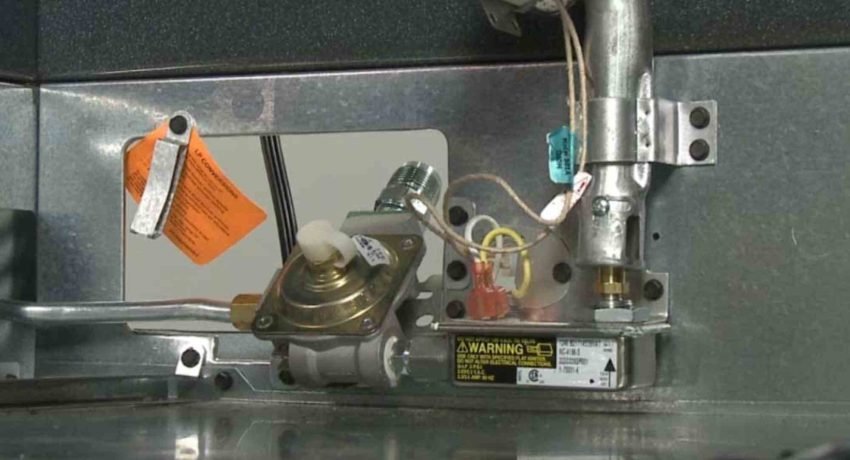
The gas regulator controls the flow of gas to your oven, maintaining consistent pressure. Without it, burners may flare up, ignite improperly, or fail to heat. Common issues include leaks, blockages, and faulty pressure adjustments.
Signs Your Gas Regulator Needs Attention
If your oven flame appears uneven or unusually high, this could indicate a regulator issue. Other signs include the oven failing to ignite, delayed gas flow, or a strong gas smell around the appliance. Addressing these signs promptly prevents accidents and ensures cooking performance.
Causes of Regulator Problems
Regulators can fail due to age, wear and tear, or accumulation of debris. Improper installation, exposure to moisture, and physical damage may also contribute. Regular inspection and maintenance reduce the likelihood of unexpected failures.
How To Repair Oven Gas Regulator Issues Guide
Before attempting any repair, safety is paramount. Turn off the gas supply and unplug the oven. Ensure the area is well-ventilated and keep a fire extinguisher nearby.
Step-by-Step Inspection
Begin by visually inspecting the regulator for cracks, corrosion, or loose connections. Check the gas hose and fittings for leaks using a soap solution — bubbles indicate escaping gas. Inspect the flame pattern; a weak or flickering flame often signals pressure inconsistency.

Cleaning the Regulator
Remove dust or debris using a soft brush. Do not use harsh chemicals, as these may damage internal components. Cleaning ensures smooth gas flow and reduces the risk of uneven heating.
Replacing the Gas Regulator
If cleaning does not resolve the issue, replacement may be necessary. Detach the old regulator carefully and install a compatible replacement. Ensure all fittings are tightened securely, and check for leaks again before using the oven.
Testing and Adjustments
After replacement, turn on the gas and ignite the oven. Observe the flame and adjust the regulator if needed to maintain a steady, blue flame. Any yellowing or flickering indicates a pressure problem or incorrect installation.
Common Mistakes to Avoid
Many homeowners attempt DIY repairs without proper precautions. Avoid using excessive force on fittings, skipping leak checks, or ignoring signs of regulator wear. Incorrect repairs can lead to dangerous gas leaks.
When to Call a Professional
If you notice persistent flame problems, unusual noises, or a strong gas smell, contact a licensed technician. Some issues require professional tools or expertise for safe resolution.
Practical Maintenance Tips
Regular maintenance extends the lifespan of your oven and regulator. Clean the burner ports, inspect hoses, and schedule annual checks. Using the oven within manufacturer-recommended settings also prevents unnecessary strain on the regulator.
Enhancing Safety at Home
Install a gas detector near your kitchen to monitor leaks. Always turn off the regulator after prolonged use, and avoid storing flammable items nearby. These practices protect your family while reducing repair frequency.
FAQs
Why is my oven flame yellow instead of blue?
A yellow flame usually indicates incomplete combustion, often caused by a faulty or blocked regulator. Cleaning or replacement typically resolves this.
Can I replace a gas regulator myself?
Yes, if you follow safety precautions, use the correct replacement, and check for leaks. Otherwise, a professional should handle the task.
How often should I inspect my oven’s gas regulator?
Inspect at least once a year or whenever you notice irregular flame behavior. Frequent checks prevent unexpected failures.
What causes the gas regulator to leak?
Leaks often result from loose fittings, corrosion, or physical damage. Routine maintenance helps prevent this.
Is it safe to cook with a malfunctioning regulator?
No, a faulty regulator can cause gas buildup or irregular flames, posing fire and health hazards. Stop using the oven until repaired.
Knowing How To Repair Oven Gas Regulator Issues ensures a safer, more efficient kitchen. Regular inspection, proper cleaning, and timely replacement prevent unexpected malfunctions. Always prioritize safety and call a professional when unsure.
For a detailed, step-by-step approach, read our full How To Repair Oven Gas Regulator Issues Guide. Stay informed and keep your kitchen running smoothly. For more expert insights, visit BBC.
Start maintaining your oven today to avoid costly repairs tomorrow. Learn practical tips and ensure a safe cooking environment by following expert advice on How To Repair Oven Gas Regulator Issues.