
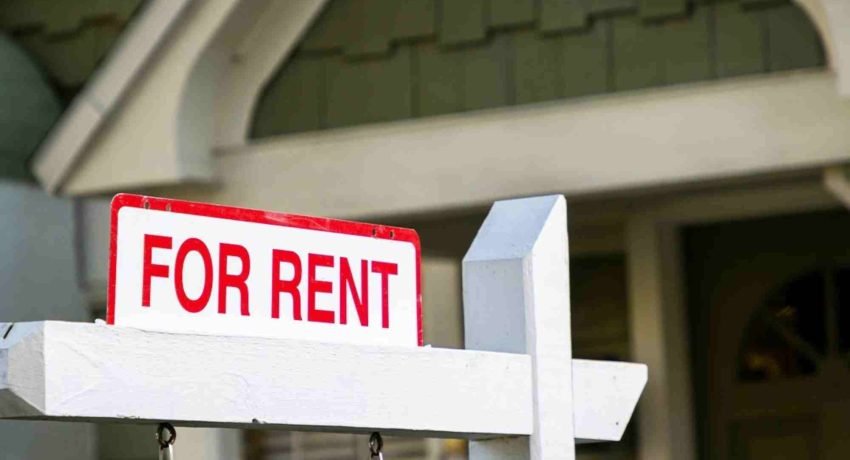
What I Need To Know To Rent Out My Home
Renting out your home can be a lucrative decision, but it comes with responsibilities. Knowing the process inside out helps you avoid mistakes, maximize returns, and stay compliant with laws. If you’re asking, what I need to know to rent out my home, this guide will cover everything from legal requirements to financial planning and tenant management.
Understanding Your Legal Responsibilities
Before listing your property, you must understand your legal obligations. Following the law protects both you and your tenants.
Local Laws and Regulations
Every city or state has specific rules for landlords. Check zoning laws, safety regulations, and licensing requirements. Ignoring these can lead to fines or eviction problems.
Lease Agreements
A clear, legally binding lease is crucial. Include rent amount, payment schedule, duration, and responsibilities for repairs. A professional lease template or lawyer review is recommended.
Safety and Compliance
Ensure smoke detectors, carbon monoxide alarms, and fire exits meet local standards. Also, make sure your property passes health and safety inspections if required.
Preparing Your Home for Rent
Your property’s condition directly affects its rentability and tenant satisfaction.
Repairs and Maintenance
Fix leaks, cracks, and electrical issues before listing. BBC A well-maintained home attracts responsible tenants. Regular maintenance also reduces long-term costs.
Cleaning and Presentation
Professional cleaning and decluttering improve first impressions. Consider staging furniture to make spaces look larger and more inviting.
Setting the Right Rent Price
Research local rental rates to price competitively. Overpricing may keep your home empty, while underpricing can reduce your income. Online tools can help assess fair market value.
Screening Tenants
Choosing the right tenant is critical for a smooth rental experience.
Background Checks
Run credit, criminal, and eviction history checks. This ensures tenants can pay rent and respect your property.
References
Contact previous landlords and employers for insight on reliability and behavior. This step helps you avoid problem tenants.
Tenant Interviews
Meet prospective tenants to gauge their suitability. Ask about work stability, lifestyle, and rental expectations. Trust your instincts.
Financial Considerations
Proper financial planning ensures your rental investment is profitable.
Budgeting for Expenses
Factor in mortgage, property taxes, insurance, maintenance, and potential vacancy periods. Knowing your costs prevents financial strain.
Security Deposits and Rent Collection
Collect a fair security deposit to cover damages. Set up a reliable rent collection system to ensure timely payments.
Insurance
Landlord insurance protects against property damage, liability, and lost rental income. Standard homeowner policies may not cover rentals.
Marketing Your Property
Effective marketing helps you find the right tenants quickly.
Online Listings
Use popular rental websites with high-quality photos and detailed descriptions. What I Need To Know To Rent Out My Home Guide Highlight unique features like a renovated kitchen or large yard.
Social Media and Local Networks
Post on community groups, social media platforms, and local bulletin boards. Word of mouth can also generate leads.
Hosting Open Houses
Show your home to multiple tenants at once. This saves time and helps you assess potential renters’ behavior firsthand.
Managing Your Rental Property
Being an effective landlord requires organization and communication.
Communication and Responsiveness
Respond promptly to tenant questions and maintenance requests. This builds trust and reduces disputes.
Regular Inspections
Conduct periodic inspections to catch issues early. Document everything to avoid legal conflicts.
Handling Problem Tenants
Have a plan for late payments, lease violations, or property damage. Familiarize yourself with local eviction laws to act legally and fairly.
Pros and Cons of Renting Out Your Home
Understanding benefits and risks helps you make an informed decision.
Advantages
-
Steady passive income
-
Property value appreciation
-
Tax benefits and deductions
Challenges
-
Tenant management and disputes
-
Property maintenance costs
-
Possible vacancies reducing income
Renting out your home can be rewarding, but success requires preparation, research, and proper management. By following this guide, you’ll protect your investment, attract quality tenants, and earn consistent income. For detailed guidance, check our What I Need To Know To Rent Out My Home Guide. Take the first step today and make your property work for you.
FAQ
What documents do I need to rent out my home?
You need a legally binding lease, safety certificates, proof of insurance, and tenant application forms.
How much should I charge for rent?
Research local rental prices and consider your mortgage, taxes, and maintenance costs to set a competitive rate.
Can I evict a tenant easily?
Evictions must follow local laws and proper procedures. Always document lease violations and provide formal notices.
Do I need landlord insurance?
Yes, standard homeowner insurance usually doesn’t cover rental situations. Landlord insurance protects property and income.
How can I find reliable tenants?
Use background checks, references, interviews, and online platforms to screen tenants thoroughly.
Should I hire a property manager?
Property managers handle tenant issues, maintenance, and rent collection. They reduce stress but come with fees.
basketbanks.com is your go-to online platform for all things banking and finance. It offers up-to-date insights, tips, and comparisons on banking services, helping users make smart financial decisions. From savings accounts to investment options, basketbanks.com makes managing money simple, convenient, and informed.