Introduction
A well‑organized kitchen makes daily meal prep easier, reduces waste, and turns your cooking space into a place you enjoy being. Whether you cook every day or just on weekends, applying Top Food Tips for Better Kitchen Organization can transform cluttered pantry shelves and chaotic drawers into a streamlined and functional haven.
In this detailed guide, you’ll learn practical strategies—from smart storage hacks to meal planning techniques—that professional chefs and home cooks swear by. These aren’t just random suggestions; they’re tested tips designed to help you save time, minimize stress, and make the most of your food and space.
Why Kitchen Organization Matters
Before we dive in, let’s understand why organization isn’t just about neatness.
It Saves Time
When everything has a place, you spend less time searching for tools or ingredients.
It Reduces Food Waste
Clear labeling and proper storage help ingredients stay fresh longer.
It Improves Efficiency
An organized kitchen allows smoother meal prep, faster cleanups, and better cooking flow.
Now let’s dive into the heart of the article—Top Food Tips for Better Kitchen Organization broken into practical sections.
Smart Pantry Organization
Your pantry is the control center of meal prep. A well‑organized pantry is one of the most impactful Top Food Tips for Better Kitchen Organization you can adopt.
Categorize by Type
Group similar items together:
- Grains (rice, oats, quinoa)
- Canned goods
- Baking supplies
- Snacks
This makes it easy to see what you have and what you need.
Use Clear Storage Bins
Clear bins or baskets help you see contents at a glance. Label them with both item name and category to reduce guesswork.
Implement FIFO (First In, First Out)
Place newer items behind older products to ensure nothing expires before you use it.
Go Vertical
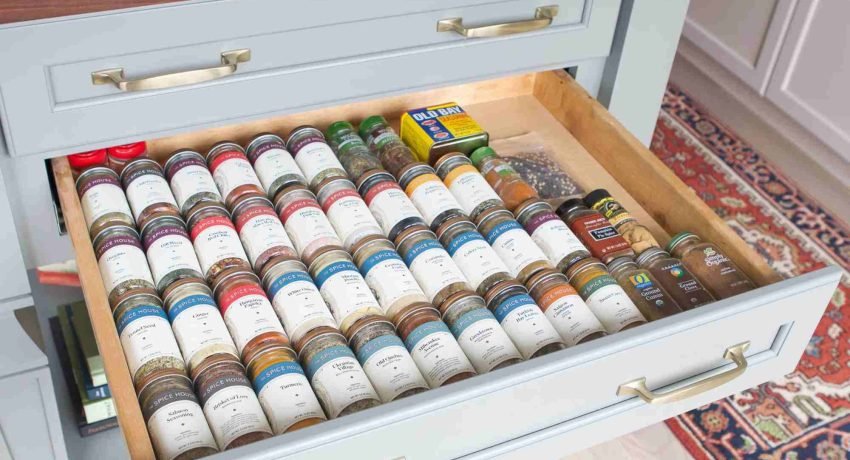
Use stackable containers and shelf risers to maximize vertical space. This is particularly useful for spices and small snack packets.
Fridge and Freezer Organization Tips
Refrigerators can easily get messy, especially when you’re juggling leftovers.
Assign Zones
Create dedicated fridge zones for dairy, produce, leftovers, and beverages. This prevents random stacking and helps everyone in the family know where things go.
Store Smart with Labels and Dates
Use masking tape or label makers to mark the date when you opened or cooked food. It’s one of the Top Food Tips for Better Kitchen Organization that cuts down on forgotten leftovers.
Clear Bins for Produce
Divide your produce drawer into smaller bins to keep fruits and vegetables separate and easy to grab.
Freeze in Portions
When freezing soups, sauces, or cooked meals, divide them into individual portions. This prevents you from thawing more food than you need.
Countertop Decluttering Strategies
Your countertops should help—not hinder—your cooking process.
Keep Frequently Used Items Accessible
Only leave out the essentials: your coffee maker, toaster, and perhaps a fruit bowl. Everything else lives in cabinets or drawers.
Use Trays and Containers
A simple tray can corral frequently used items like oils, salt, and pepper. It keeps them in one place and looks visually neat.
Hide Appliances You Don’t Use Daily
Store rarely‑used appliances like ice cream makers or large mixers in cupboards to free up valuable counter space.
Drawer and Utensil Organization Hacks
Messy drawers slow you down. Fixing them can truly boost kitchen efficiency.
Drawer Dividers Are a Game Changer
Insert adjustable drawer dividers to separate utensils, gadgets, and small tools. This keeps similar items together and avoids a cluttered “junk drawer.”
Use Utensil Trays with Purpose
Allocate trays for:
- Everyday cutlery
- Measuring spoons and cups
- Small gadgets like peelers and zesters
Magnetic Strips and Hooks
Attach magnetic strips inside drawers or cupboard doors for knives and metal tools. Hooks can hold tongs or whisks.
Smart Meal Planning and Food Prep
Organization isn’t just about where food lives—it’s about how you plan with it.
Weekly Meal Planning
Take 15 minutes each week to map out meals. This reduces last‑minute decisions and food waste.
Pre‑Prep Ingredients
Wash, chop, and store vegetables in clear containers. Ready‑to‑use ingredients make weeknight meals faster and smoother.
Inventory Before You Shop
Check your pantry and fridge before shopping. This helps prevent overbuying and ensures you use what you have first—one of the most practical Top Food Tips for Better Kitchen Organization.
Labeling and Storage System Essentials
Labeling might seem small, but it’s vital in a system that works.
Use Consistent Labeling
Buy a label maker or use chalkboard labels for storage containers. Consistency makes scanning shelves faster.
Date Everything
For leftovers, sauces, and batch‑cooked meals, always label with date cooked or stored. It aids food safety and reduces throwing away usable food.
Choose Universal Containers
Using uniform containers not only saves space but also makes stacking easier and visually pleasing.
Keep Cleaning Supplies Handy
Organization and cleanliness go hand in hand.
Under‑Sink Pullouts
Install a pull‑out organizer under your sink for cleaning supplies—this keeps them within reach but out of sight.
Wipes for Daily Touch‑Ups
Keep multi‑surface wipes in a drawer near the counter so quick spills don’t become big messes.
Trash & Recycling Station
Create a clearly labeled system for disposables and recycling. This simple station encourages responsible habits and reduces clutter around bins.
Small Space Solutions for Apartments
Living in a small space doesn’t mean giving up organization.
Over‑The‑Door Racks
Use over‑cabinet door racks for spices, cleaning supplies, or snacks.
Slim Rolling Carts
A narrow cart between the fridge and wall can store oils, grains, or canned goods efficiently.
Wall‑Mounted Shelves
These keep frequently used items within reach while preserving countertop and cabinet space.
Sustainable Practices in Kitchen Organization
Better organization also means reducing impact on the environment.
Composting
Set up a small counter compost bin to reduce kitchen waste.
Reusable Storage Bags
Swap single‑use plastic bags for reusable silicone bags for snacks or produce.
Bulk Buying with Purpose
Organize bulk ingredients into labeled containers. It cuts down on packaging waste and saves money.
Technology and Apps That Help
Digital tools can make kitchen organization smoother and smarter.
Grocery List Apps
Apps like AnyList or Google Keep sync grocery lists with others in your household.
Inventory Management Apps
Apps help track expiration dates and maintain pantry inventory, reducing food waste.
Smart Labels with QR Codes
Advanced systems let you store nutrition and expiration info linked to a QR—helpful for large families or serious home chefs.
Common Mistakes to Avoid
Even the best systems fail if you fall into these traps.
Not Purging Old Items
Old spices or canned food left too long can take up space you need for fresh ingredients.
Ignoring Expiration Dates
Expired food not only wastes space—it can be unsafe.
Overbought Supplies
Avoid buying large quantities of items you rarely use. This clogs your pantry.
Expert Tips from Professionals
Here are a few pro tips used by chefs and kitchen organizers:
Store Heavier Items on Lower Shelves
This reduces strain and prevents accidents on high shelves.
Keep Similar Tools Together
Like storing all baking tools in one drawer or cabinet.
Use Transparent Containers for Quick Visibility
Seeing ingredients makes meal planning intuitive and motivates cooking.
With the Top Food Tips for Better Kitchen Organization in this guide, your kitchen can become an efficient, joyful space. From decluttering your pantry and fridge to smart meal planning and sustainable storage, each strategy adds up to a smoother daily routine and better use of your food.
FAQs
What are the best ways to organize a small kitchen pantry?
Organize by category, use clear containers, and maximize vertical space with shelf risers. Labeling also improves accessibility.
How do I keep my fridge organized longer?
Assign dedicated zones, label leftovers with dates, and use clear bins for produce so nothing gets lost in the back.
What’s the easiest way to reduce food waste at home?
Plan meals weekly, check your inventory before shopping, and store foods in clear, dated containers.
How often should I purge expired items in my pantry?
Aim to check and clear expired or unused items every 1–2 months.
What storage containers are best for kitchen organization?
Choose uniform, airtight containers that fit your space and are easy to stack and label.
Discover the joy of fresh, flavorful meals with Best Food Recipes for Seasonal Cooking. Using ingredients at their peak, these recipes bring out natural taste and nutrition, helping you create dishes that celebrate each season. From spring salads to winter stews, enjoy cooking that’s both healthy and delicious all year round.