
Introduction
In today’s fast-paced world, maintaining good health can feel overwhelming. With conflicting diet trends emerging every year, it’s easy to struggle with knowing what genuinely works. This article explores Top Food Habits That Support Better Health — based on science, real expert insight, and practical strategies you can apply today. Whether you’re looking to boost energy, improve digestion, manage weight, or feel your best every day, these habits will help guide you.
Healthy eating isn’t about strict diets or cutting out your favorite foods entirely. Instead, it’s about creating lasting habits that nourish your body and mind. The focus isn’t just on what you eat, but how you eat — the timing, balance, and quality of your food matters. By adopting proven food habits, you can build a foundation for long-term wellness, greater energy, and better overall health.
In this guide, we’ll break down Top Food Habits That Support Better Health into easy-to-understand practices, why they matter, and how you can implement them in your daily life.
Understanding Why Food Habits Matter
Before diving into specific food habits, it’s important to understand why they matter. Good food habits impact your body on a cellular level. They influence digestion, mood, immune function, weight control, and even long-term disease risk.
Healthy food habits help:
- Maintain balanced blood sugar levels
- Support brain health and stable energy
- Promote a healthy gut microbiome
- Reduce inflammation
- Support immune system function
Now let’s explore the specific habits that can make a real difference.
Prioritize Whole Foods Over Processed Foods
What Are Whole Foods?
Whole foods are foods that are minimally processed and closest to their natural form. They include fruits, vegetables, whole grains, lean proteins, nuts, and seeds.
Why This Habit Matters
Processed foods often contain added sugars, unhealthy fats, artificial additives, and excessive sodium. Over time, these can contribute to weight gain, poor digestion, inflammation, and chronic diseases like diabetes or heart issues.
How to Implement This Habit
- Shop the perimeter of the grocery store where fresh foods are often located
- Read food labels — choose items with simple, recognizable ingredients
- Cook more meals at home using whole ingredients
Eat Balanced Meals
What Is a Balanced Meal?
A balanced meal contains the right proportions of carbohydrates, proteins, and healthy fats. It also includes fiber from fruits, vegetables, and whole grains.
Why It Matters
Balanced meals help stabilize blood sugar, prevent overeating, and supply the body with essential nutrients needed for energy, repair, and growth.
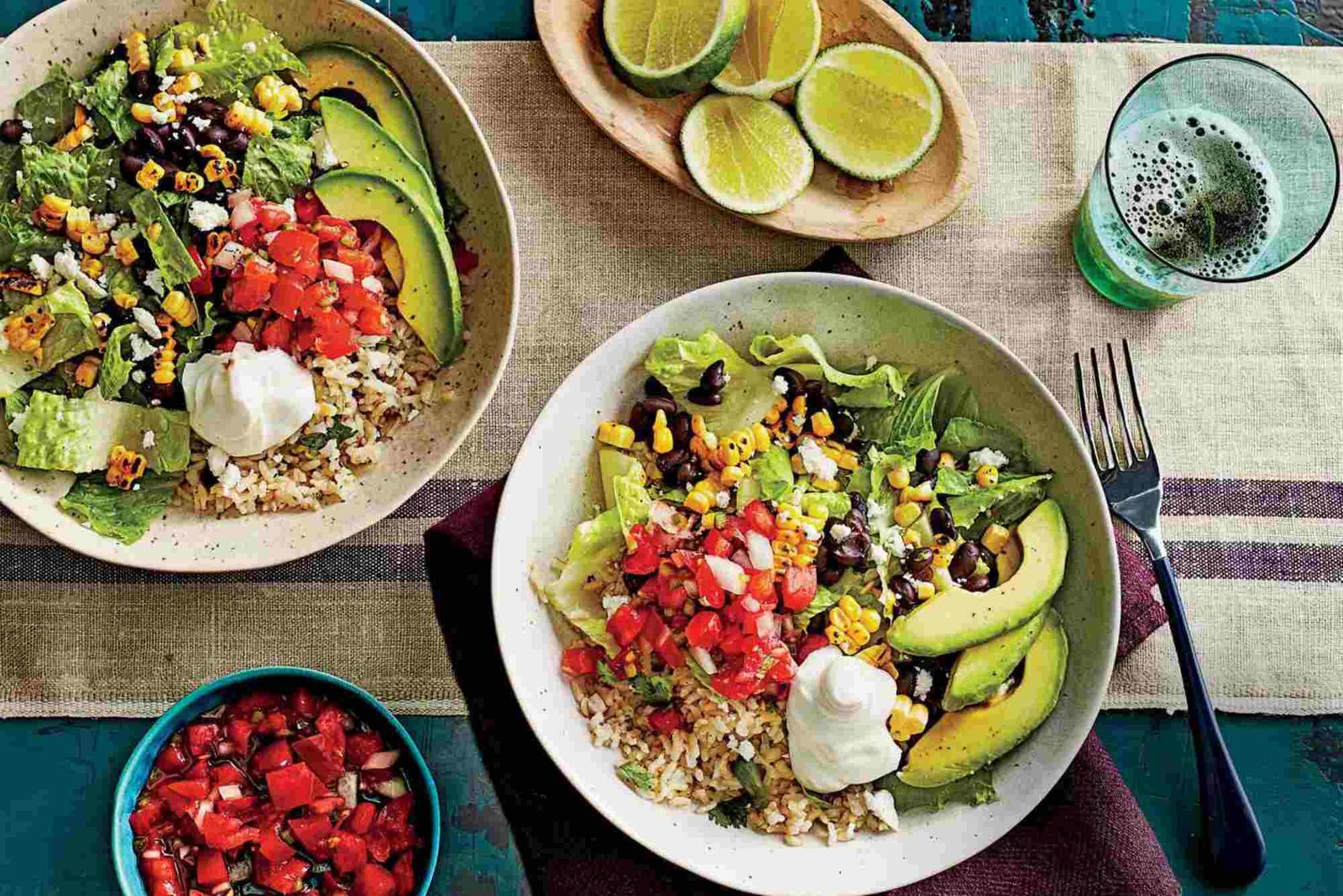
How to Build Balanced Plates
- Protein: lean meat, fish, eggs, lentils, beans, dairy
- Carbohydrates: whole grains like brown rice, quinoa, whole wheat
- Healthy Fats: avocado, olive oil, nuts
- Fiber: vegetables, fruits, seeds
Hydrate Smartly
Why Hydration Is a Food Habit
Hydration supports digestion, nutrient absorption, skin health, temperature regulation, and overall energy levels.
How Much Water Do You Need?
While individual needs vary, a common guideline is about 8 glasses (≈2 liters) of water per day. Adjust intake based on activity, climate, and health conditions.
Tips for Staying Hydrated
- Start your day with a glass of water
- Carry a reusable bottle with you
- Add lemon or cucumber for flavor
- Track your water intake
Focus on Fiber-Rich Foods
What Foods Are High in Fiber?
Fiber-rich foods include:
- Vegetables like broccoli, carrots, and leafy greens
- Fruits like apples, berries, and pears
- Whole grains such as oats and barley
- Beans, lentils, and legumes
Benefits of Fiber
Fiber supports digestion, helps prevent constipation, aids in weight management, and can reduce cholesterol.
Easy Ways to Boost Fiber Intake
- Add vegetables to every meal
- Choose whole-grain bread and cereals
- Include legumes in soups or salads
- Snack on fruit instead of packaged snacks
Practice Mindful Eating
What Is Mindful Eating?
Mindful eating means paying attention to your hunger cues, eating slowly, and enjoying each bite without distraction.
Why It Helps
Mindful eating reduces overeating, promotes better digestion, and helps you better understand your body’s needs.
Simple Ways to Eat Mindfully
- Turn off screens during meals
- Chew slowly and savor flavors
- Stop eating when you’re 80% full
- Reflect on how you feel before and after eating
Incorporate Healthy Fats
What Are Healthy Fats?
Healthy fats come from foods like:
- Avocados
- Nuts and seeds
- Olive oil
- Fatty fish like salmon
Why Healthy Fats Matter
Healthy fats support brain function, hormone production, and heart health. They also help you feel full longer, which supports weight control.
How to Include Healthy Fats
- Use olive oil for cooking
- Add nuts or seeds to salads and yogurt
- Eat fatty fish twice a week
Reduce Added Sugars
What Are Added Sugars?
Added sugars are those inserted during processing or preparation — like in sodas, candies, baked goods, sauces, and sweetened drinks.
Effects of Excess Sugar
High sugar intake can lead to:
- Energy crashes
- Weight gain
- Increased risk of diabetes
- Inflammation
Ways to Cut Back
- Choose unsweetened versions of drinks and snacks
- Replace sugar with spices like cinnamon or vanilla
- Satisfy sweet cravings with fruit
Include a Variety of Colorful Produce
Why Color Matters
Different colors often indicate different nutrients:
- Green: vitamins K and C
- Red: antioxidants like lycopene
- Orange/Yellow: beta-carotene
- Purple/Blue: anthocyanins
Benefits of Colorful Diets
Eating a rainbow of foods supports:
- Immune health
- Eye health
- Anti-aging
- Reduced chronic disease risk
How to Add More Colorful Foods
- Mix colorful veggies in stir-fries and salads
- Add berries to breakfast
- Blend fruits and veggies into smoothies
Don’t Skip Breakfast (If It Works for You)
The Role of Breakfast
For many people, breakfast helps kickstart metabolism, supports concentration, and balances appetite throughout the day.
Good Breakfast Choices
- Oatmeal with fruit and nuts
- Yogurt with seeds and berries
- Whole-grain toast with avocado and eggs
What If You Don’t Feel Hungry in the Morning?
Some people thrive with delayed eating or intuitive timing — focus on nutrient quality instead of strict rules.
Limit Processed Snacks and Sugary Beverages
The Hidden Problem with Processed Snacks
Many processed snacks are marketed as “healthy,” but they often have added sugars, artificial flavors, and refined carbs that spike blood sugar and increase cravings.
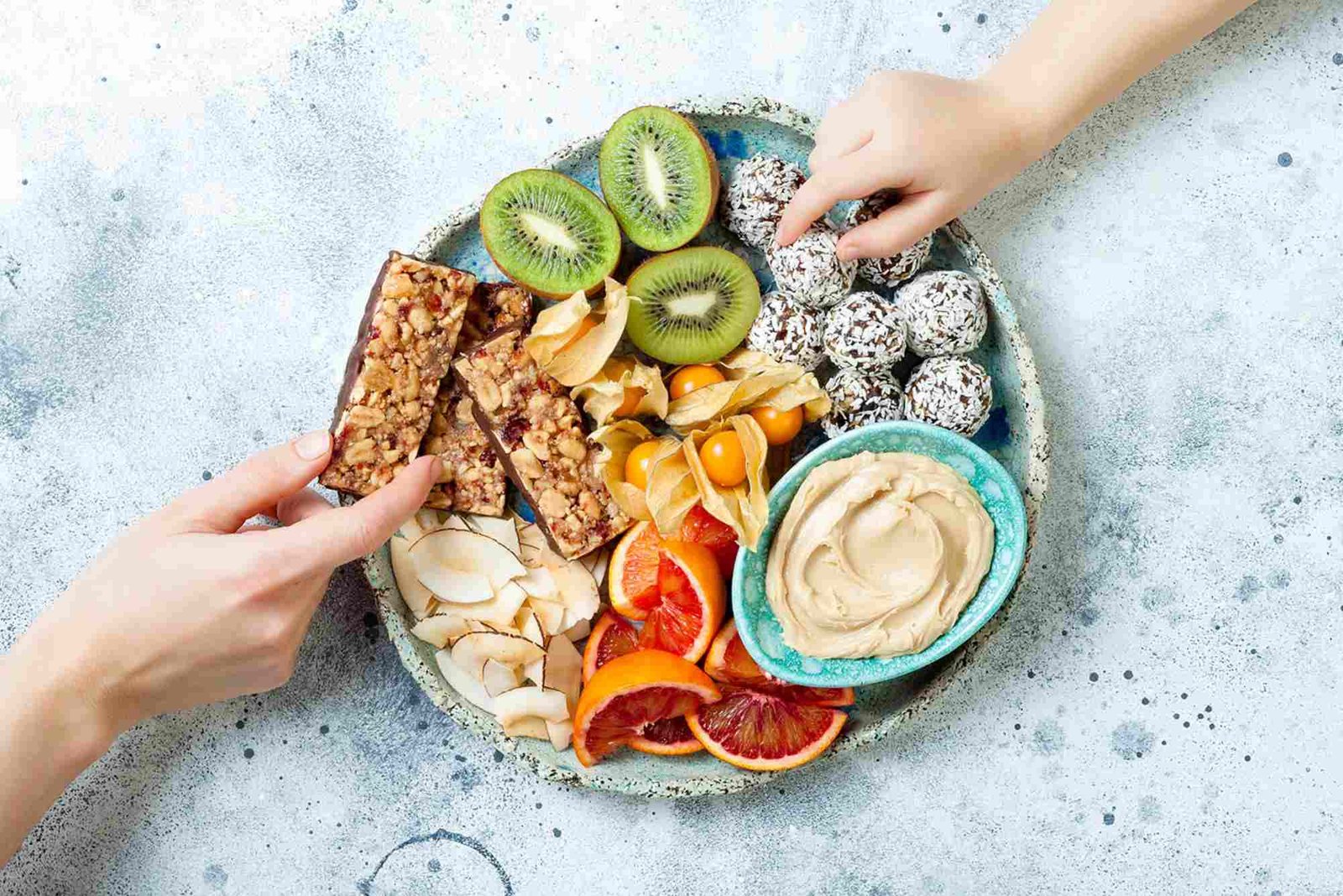
Healthier Alternatives
- Air-popped popcorn
- Nuts and dried fruit
- Whole-grain crackers with hummus
- Herbal tea or infused water instead of soda
Plan Meals and Snacks
Why Meal Planning Helps
Planning meals can:
- Reduce unhealthy choices
- Save money
- Prevent stress
- Improve nutrient intake
Tips to Get Started
- Create a weekly food plan
- Prep ingredients ahead on weekends
- Pack lunches the night before
- Use leftovers wisely
Practice Portion Control
What Portion Control Means
Portion control is eating the right amounts of food — not necessarily dieting, but balancing energy with your body’s needs.
Tools for Portion Awareness
- Use smaller plates
- Measure servings occasionally
- Pay attention to hunger cues rather than cleaning your plate
H2: Conclusion: Your Path to Better Health Starts with Habits
Healthy eating doesn’t happen overnight — it’s built one habit at a time. By incorporating these Top Food Habits That Support Better Health into your daily life, you’ll experience more energy, better digestion, improved mood, and long-term health benefits. The real key is consistency: small, meaningful changes over time lead to lasting results.
FAQs
What are the top food habits for better health?
The most impactful habits include eating whole foods, drinking enough water, balancing meals, reducing sugar, and including fiber and healthy fats. These habits improve digestion, energy, and chronic disease prevention.
How much water should I drink daily for best health?
An easy guideline is around 8 glasses (about 2 liters) of water daily, but individual needs vary based on activity level, climate, and body size.
Can healthy eating help with weight loss?
Yes — choosing nutrient-dense foods and balanced meals supports weight management by reducing cravings and stabilizing blood sugar.
Is eating breakfast important for everyone?
Not necessarily. Breakfast can help many people start their day with energy and focus, but others may thrive with different eating patterns. Focus on nourishment and hunger cues.
How do I reduce sugary foods without feeling deprived?
Replace sugary snacks with fruit, flavored water, herbal teas, or treats with natural sweetness. Gradually lowering sugar intake helps your taste buds adjust over time.
Looking for quick and healthy meal ideas? Best Food Recipes for Light Lunches offers delicious, easy-to-make dishes that keep you energized without feeling heavy. From fresh salads to wholesome wraps, these recipes are perfect for busy days, helping you enjoy tasty meals while staying light and healthy.