Interior columns are often overlooked architectural elements, yet they hold immense potential to transform a room’s aesthetic and functional appeal. Whether you’re renovating a classic home or designing a modern interior, understanding how to use interior columns can elevate your space in both style and structure. This article explores essential interior columns design ideas, key considerations, and practical advice to help homeowners and designers make informed decisions.
Understanding the Role of Interior Columns
Columns are more than just structural supports. They can define spaces, guide sightlines, and even serve as decorative focal points. Traditionally, columns were purely functional, supporting ceilings and upper floors. Today, interior columns can blend form and function seamlessly, contributing to both structural integrity and design aesthetics.
Interior columns come in various materials, including wood, steel, concrete, and plaster, each offering unique design possibilities. Choosing the right material is critical, as it affects durability, maintenance, and visual appeal. For instance, a wooden column adds warmth and texture, while a sleek steel column complements modern minimalist interiors.
Classic vs. Contemporary Column Designs
Traditional Elegance
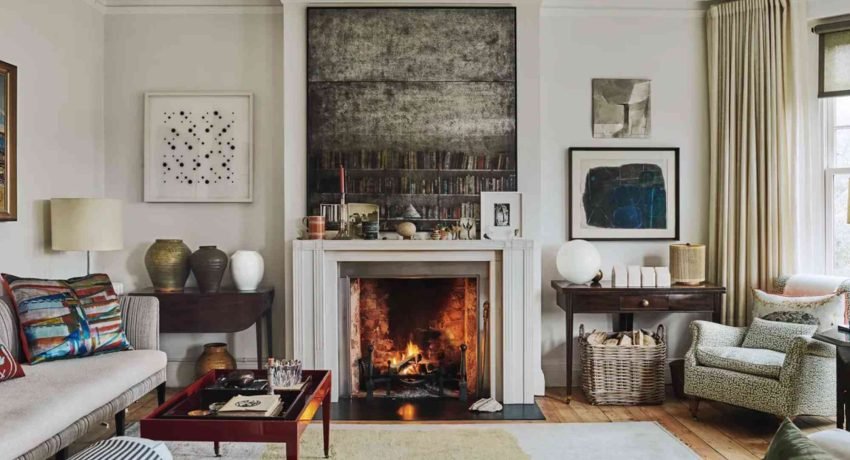
Classic column designs often draw inspiration from Greek and Roman architecture. These include Doric, Ionic, and Corinthian styles, each with distinct proportions, fluting, and capitals. Traditional columns add grandeur and elegance, making them ideal for formal living rooms, dining areas, or entryways. Incorporating decorative molding or intricate carvings can enhance their visual impact without overwhelming the space.
Modern Minimalism
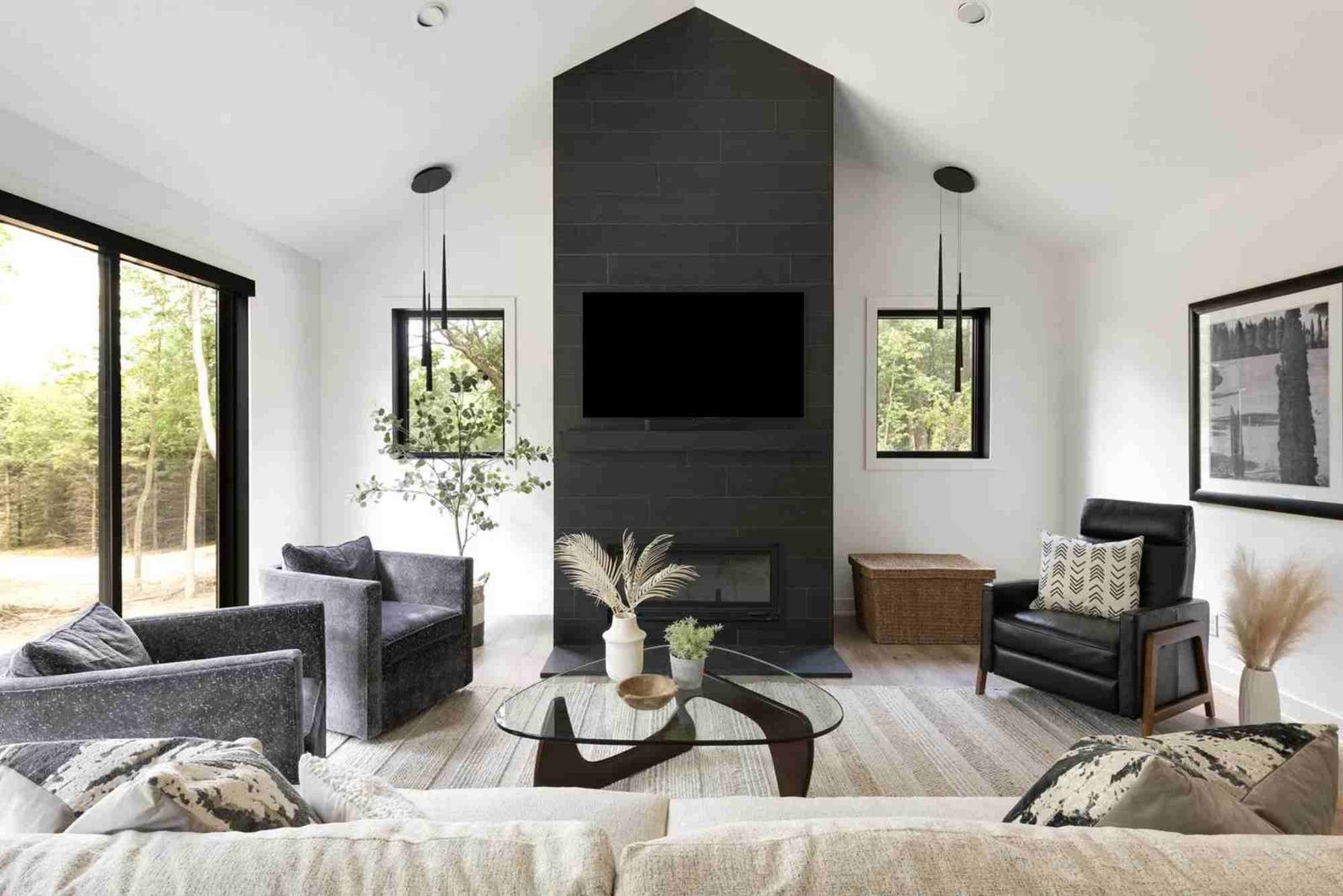
In contrast, contemporary designs favor simplicity and clean lines. Modern interior columns often feature smooth surfaces and subtle textures, creating a sense of openness. Designers frequently integrate columns into walls or open-plan layouts, allowing them to act as subtle room dividers rather than dominant features. In modern interiors, neutral tones and understated finishes help columns blend seamlessly with the surrounding décor.
Innovative Interior Columns Design Ideas
Columns as Space Dividers
Columns can function as natural separators in open floor plans. Strategically placed columns help delineate different zones, such as the living room and dining area, without constructing full walls. Designers sometimes pair columns with partial screens or glass panels to maintain visual connectivity while providing subtle separation. This approach enhances both functionality and aesthetics.
Floating and Cantilevered Columns
Floating columns create a sense of architectural intrigue. By anchoring columns in specific areas rather than spanning floor to ceiling, designers achieve a light, airy effect. Cantilevered columns, which extend from a wall or beam, offer a dramatic modern statement. Both techniques allow interior columns to serve as artistic elements while maintaining structural balance.
Integrated Storage and Display
Another innovative approach is integrating storage or display features into columns. Hollowed or segmented columns can house books, artwork, or decorative objects, combining style and utility. This concept is especially effective in smaller spaces, where maximizing every square foot is crucial. Integrating lighting into columns further accentuates their design and enhances the ambiance.
Material Choices and Finishes
Material selection significantly influences the visual appeal of interior columns. Wood is ideal for warm, traditional interiors, while marble or stone conveys luxury and sophistication. Steel or concrete suits industrial or minimalist spaces. In addition to materials, finishes play a pivotal role. Matte finishes lend subtle elegance, whereas high-gloss finishes create a bold, contemporary look. Texture, color, and finish must align with the overall interior design theme for cohesive results.
Practical Tips for Designing Columns
Designing interior columns requires careful planning to balance aesthetics and functionality. First, consider the column’s placement relative to natural light, traffic flow, and furniture layout. Avoid overcrowding spaces, as large or numerous columns can make interiors feel cramped. Next, focus on proportions — columns should complement the room’s scale, ensuring neither oversized dominance nor underwhelming presence. Finally, collaborate with structural engineers if columns serve load-bearing purposes, combining safety with design flair.
Lighting and Columns
Lighting plays a critical role in showcasing interior columns. Recessed spotlights or uplights can highlight textures and architectural details. For decorative columns, integrated LED strips enhance visual appeal while maintaining minimalism. Natural light, when directed toward columns, accentuates their form and adds dimension. Thoughtful lighting ensures that columns not only support but also enhance the ambiance of a room.
Blending Columns with Other Architectural Elements
Interior columns often complement other architectural features, such as arches, beams, and crown molding. Combining these elements creates a harmonious design narrative. For example, pairing classic columns with an archway enhances traditional elegance, while integrating sleek columns with exposed beams reinforces modern industrial aesthetics. Ensuring visual cohesion between columns and surrounding elements is key to creating a unified, appealing interior.
Common Mistakes to Avoid
Many homeowners make the mistake of underestimating the visual impact of columns. Columns that are too bulky or poorly positioned can disrupt room flow and appear awkward. Another common error is neglecting finishes or textures, resulting in columns that look unfinished or out of place. Planning, proportionality, and professional consultation can prevent these issues, ensuring columns enhance rather than hinder a room’s design.
Choosing Between Structural and Decorative Columns
Determining whether a column will be structural or purely decorative affects both design and budget. Structural columns must meet load-bearing requirements and comply with building codes, while decorative columns allow more flexibility in design. Even decorative columns should appear purposeful; mismatched proportions or materials can undermine a space’s aesthetic integrity. Understanding the distinction early in the design process ensures functionality and style coexist.
Sustainable and Eco-Friendly Options
Eco-conscious homeowners may prefer sustainable materials like reclaimed wood, bamboo, or recycled steel for interior columns. These materials reduce environmental impact while offering unique textures and visual appeal. Additionally, choosing finishes that are low in volatile organic compounds (VOCs) promotes healthier indoor air quality, aligning sustainable design with long-term comfort.
Cost Considerations
Interior column costs vary based on material, size, and complexity. Classic marble or custom-carved wood columns are generally higher in cost, while simple plaster or steel columns are more budget-friendly. Factoring in labor and installation is essential, as complex designs often require skilled craftsmanship. Balancing budget with desired aesthetic ensures a practical and beautiful result.
Inspiration from Real Projects
Observing real-world examples can spark ideas for your interior column designs. From historic homes featuring ornate Corinthian columns to contemporary lofts with minimalist steel columns, each space demonstrates how columns can define character. Designers often draw inspiration from natural elements, geometric patterns, and artistic accents to create columns that are both functional and visually captivating.
Interior columns offer more than structural support; they are versatile design elements that can elevate a space’s beauty and functionality. From traditional elegance to modern minimalism, innovative ideas allow homeowners and designers to experiment with placement, materials, and finishes. Thoughtful planning ensures columns integrate seamlessly with the interior, serving as both practical and aesthetic features.
Enhance your space today by exploring Interior Columns Design Ideas and discovering how these architectural elements can redefine your home. For a detailed walkthrough, visit our Interior Columns Design Ideas Guide.
FAQ
What are interior columns used for?
Interior columns provide structural support, define spaces, and enhance aesthetics. They can also integrate storage, lighting, or decorative features.
How do I choose the right material for an interior column?
Consider durability, style, and maintenance. Wood suits traditional interiors, steel fits modern designs, and stone or marble conveys luxury.
Can interior columns be purely decorative?
Yes, decorative columns add visual interest without supporting structural loads. Proportions and finishes should align with the room’s design.
How can I make interior columns look modern?
Opt for clean lines, smooth finishes, neutral tones, or integrated lighting. Floating or cantilevered designs also provide a contemporary touch.
Where can I find more inspiration for interior columns?
You can explore real projects, design guides, and resources on platforms like Wikipedia or curated design blogs for innovative ideas.