Introduction
Natural light in home decoration isn’t just a trend — it’s a transformative design principle that enhances mood, highlights architectural features, and makes spaces feel larger and more welcoming. Whether you’re renovating a room or decorating an apartment from scratch, understanding how to harness sunlight can elevate your interior design to feel brighter, balanced, and more harmonious.
In this guide, we’ll dive into practical strategies for maximizing natural light in every corner of your home.
Why Natural Light Matters in Home Decoration
Natural light doesn’t just illuminate a room — it changes how we live in it. Studies show that exposure to daylight supports better sleep cycles, improves mood, and increases productivity. From an aesthetic standpoint, sunlight enhances colors, softens textures, and creates dynamic shadows that evolve throughout the day.
When intentionally incorporated into home decoration, natural light becomes a central design element, not just a functional necessity.
Understanding Natural Light in Home Decoration
What Is Natural Light?
Natural light refers to the sunlight that enters your home through windows, doors, skylights, and other openings. Unlike artificial light, it changes in intensity and color based on weather, time of day, and season — which means it interacts dynamically with your décor.
Types of Natural Light in Interior Design
- Direct Sunlight: Bright and intense — ideal for living areas but may cause glare if unfiltered.
- Diffuse Light: Soft illumination that reduces harsh shadows — perfect for bedrooms and reading nooks.
- Reflected Light: Bounced light that brightens darker areas using reflective surfaces.
How Orientation Affects Natural Light
Understanding your home’s orientation helps you design with daylight rather than against it:
North‑Facing Rooms
Rooms facing north receive consistent, soft light throughout the day. They’re excellent for studios, offices, or galleries where glare is unwanted.
South‑Facing Rooms
South exposure provides abundant bright sunlight, ideal for living rooms and kitchens. Use shading thoughtfully to prevent overheating.
East‑Facing Rooms
Morning sun energizes east‑facing spaces, making bedrooms and breakfast nooks naturally cheerful.
West‑Facing Rooms
These rooms enjoy warm evening light, perfect for dining areas — but beware of afternoon heat and glare.
Simple Ways to Maximize Natural Light in Home Decoration
Use Light and Reflective Wall Colors
Light colors bounce light deeper into a room. Soft whites, pale neutrals, and even muted pastels help amplify natural light in home decoration.
Best Color Choices
- Pure white
- Creamy beige
- Light gray
- Dusty pastels
Reflective finishes like satin or eggshell catch light more effectively than matte paints.
Place Mirrors Strategically
Mirrors are one of the easiest tools for directing natural light.
Mirror Placement Tips
- Opposite windows to “double” the incoming light
- Above mantels to brighten focal points
- Narrow hallways to create openness
A large floor mirror can visually broaden a small room while increasing brightness.
Choose Sheer Window Treatments
Heavy drapes block sunlight. Instead, opt for lightweight fabrics or sheer curtains that allow light to filter gently.
Window Treatment Ideas
- Sheer linen panels
- Solar shades that preserve privacy
- Layered curtains for flexible light control
These treatments regulate brightness without compromising style.
Embrace Open Layouts
Walls block light. An open floor plan lets daylight flow freely between spaces.
Open Layout Strategies
- Use glass partitions instead of solid dividers
- Keep doorways unobstructed
- Choose furniture that doesn’t block windows
The fewer barriers between windows and interior space, the more natural light you’ll enjoy.
Reflect with Furniture and Accessories
Like wall color, shiny surfaces multiply available light.
Reflective Design Elements
- Glass coffee tables
- Metallic fixtures
- Glossy ceramics
- Light wood finishes
Layering these pieces will help sunlight travel further into your décor.
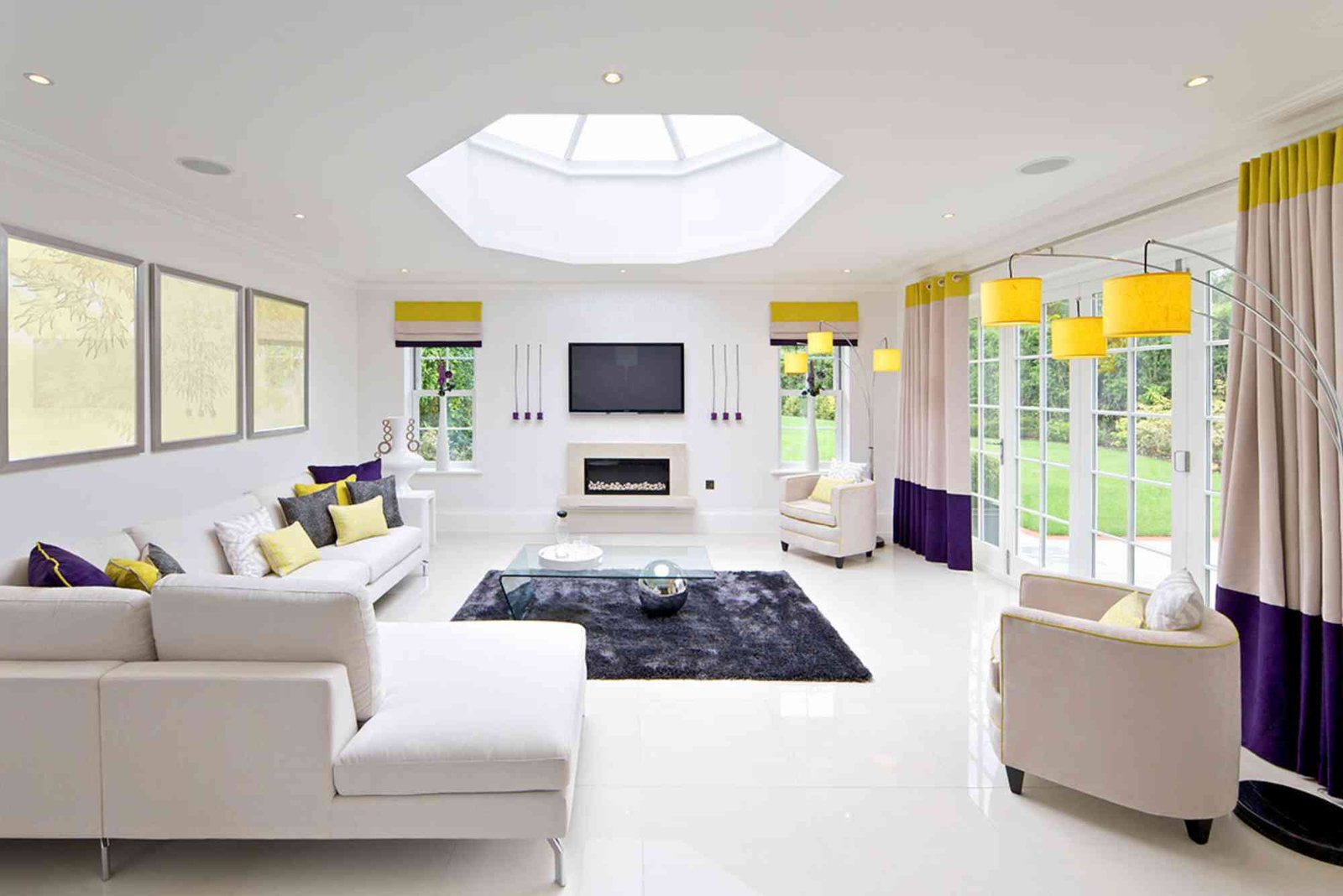
Install Skylights or Light Tubes
If windows aren’t enough, skylights or tubular daylighting devices bring light from above.
Benefits of Skylights
- Brighten central areas without windows
- Add architectural interest
- Offer views of sky and stars
Skylights require professional installation, but they’re one of the most effective ways to use natural light in home decoration.
Room‑by‑Room Natural Light Ideas
Living Room
Your living room is often the heart of the home — make the most of its light.
Tips for Living Areas
- Arrange seating near windows
- Use low‑profile furniture to avoid blockages
- Hang art on walls that catch the most daylight
Natural light creates warmth and invites guests to linger longer.
Kitchen
Kitchens benefit from bright, energetic light that encourages activity and cleanliness.
Kitchen Lighting Hacks
- Install under‑cabinet lighting to reduce shadows
- Choose light, reflective backsplashes
- Keep countertops uncluttered
Light surfaces and strategic daylight placement can even make small kitchens feel expansive.
Bedroom
Soft, pleasant natural light sets the tone for relaxation.
Bedroom Ideas
- Keep windows unobstructed for morning sunlight
- Use blackout curtains for restful sleep when needed
- Place mirrors to enhance gentle daylight flow
Position your bed where soft morning light can naturally wake you.
Bathrooms
Natural light adds freshness and reduces the need for constant artificial lighting.
Bathroom Light Tips
- Frosted windows for privacy
- Skylights above showers
- Reflective tiles to bounce light
A well‑lit bathroom feels cleaner and more inviting.
Mistakes to Avoid When Using Natural Light in Home Decoration
Blocking Windows with Heavy Furniture
Tall shelves or bulky sofas in front of windows block daylight. Choose lower profiles so natural light can travel freely.
Overlooking Window Maintenance
Dirty windows reduce light. Clean glass regularly to ensure sunlight isn’t dimmed by grime or dust.
Ignoring Glare and Heat
Too much direct sunlight can cause fading and discomfort. Use shading strategically — blinds, solar films, or plants — to balance light and comfort.
Using Dark, Absorbent Materials
Heavy fabrics or dark walls absorb light instead of reflecting it. Swap them for lighter materials if brightness is your goal.
Enhancing Ambiance with Natural Light
Natural light is more than just brightness — it shapes mood and atmosphere. Here are ways to use daylight creatively:
Highlight Architectural Details
Sunlight naturally draws the eye. Arrange accents like textured walls, artwork, or columns where light naturally falls.
Create Focal Points
A beam of light on a statement piece — like a sculptural chair or bold painting — turns it into a visual anchor.
Use Shadows as Design
Sunlight creates subtle shadows that shift throughout the day. These dynamic patterns add depth and movement to static décor.
Staying Energy‑Efficient with Natural Light
Using daylight isn’t just aesthetic — it reduces energy consumption.
Energy Benefits of Natural Light
- Less need for daytime electric lighting
- Passive solar heating in cooler months
- Reduced utility bills
Pair natural light with energy‑efficient windows and insulation for maximum comfort and savings.
Transform Your Space with Natural Light
Natural light in home decoration is one of the most impactful — yet often overlooked — interior design elements. With thoughtful planning and intentional choices, you can:
- Brighten dark corners
- Enhance mood and atmosphere
- Highlight your best design features
- Reduce energy use
Whether it’s choosing lighter colors, placing mirrors in key spots, or opening up your floor plan, simple changes can result in dramatic improvements.
Ready to let sunlight work for your home? Start today by observing where daylight falls in each room — and design from there!
FAQs
How do I maximize natural light in a dark room?
To increase brightness, use light paint colors, install mirrors opposite windows, keep windows clean, and remove heavy furniture blocking light paths.
What colors make a room look brighter?
Soft whites, pale neutrals like beige or light gray, and even pastel hues help reflect natural light and make rooms feel brighter and larger.
Is natural light good for all rooms in the house?
Yes. While intensity varies by orientation, every room can benefit from daylight with proper planning — from skylights in bathrooms to sheer curtains in bedrooms.
How do I reduce glare without blocking light?
Use sheer curtains, solar window films, or blinds that diffuse sunlight while still allowing brightness into the room.
Can natural light affect energy costs?
Absolutely. By reducing dependence on artificial lighting and taking advantage of passive solar heating, natural light can lower electricity usage and utility bills.
Looking for the best online shopping experience? Visit BasketBanks for a wide range of products, from trendy fashion to must-have gadgets, all in one place. Enjoy easy navigation, secure checkout, and fast delivery. Explore the latest deals and make your shopping simple and fun today at BasketBanks.