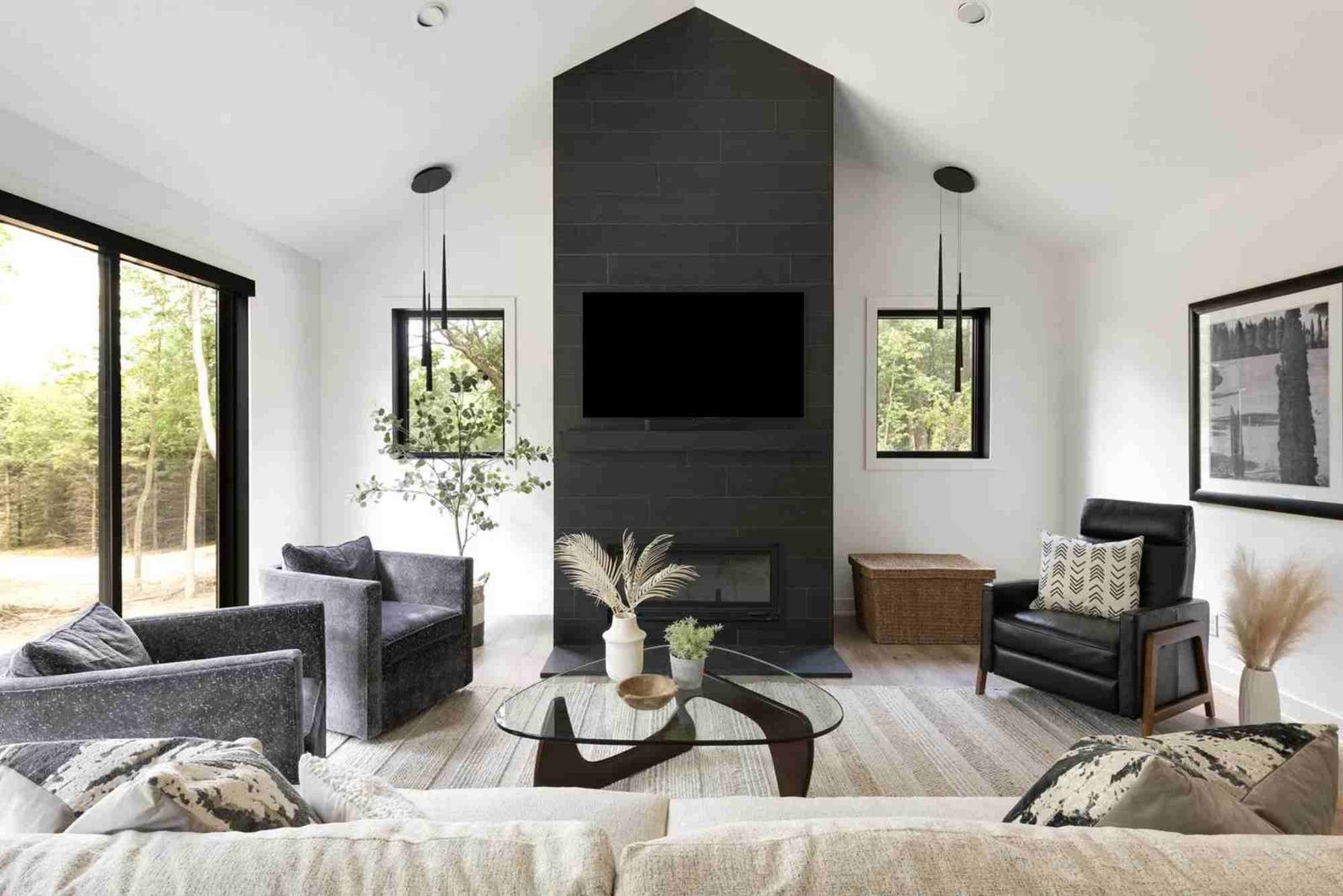
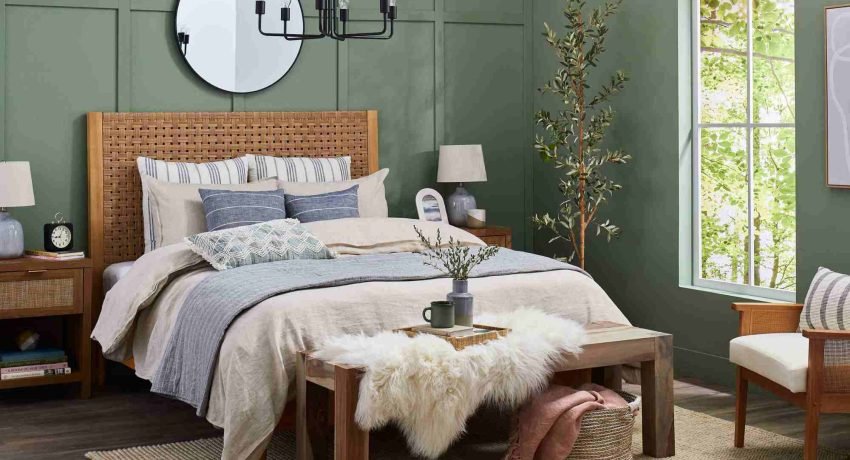
Introduction
A well-decorated room can transform the way you feel in your home. But even with beautiful furniture and accessories, a room can feel cluttered or unbalanced if decor pieces aren’t arranged thoughtfully. Knowing how to arrange decor pieces for a better room look is key to achieving a space that is visually appealing, functional, and harmonious.
In this guide, we’ll explore practical tips, expert advice, and proven techniques to make your room look stylish and cohesive — no matter your budget or style preference.
Understanding the Basics of Decor Arrangement
Before you start moving objects around, it’s essential to understand the foundational principles of interior design that make a room look balanced and inviting.
The Rule of Three
One simple yet effective strategy is the rule of three. Grouping decor pieces in odd numbers, especially three, creates visual interest and naturally draws the eye. For example, a trio of vases on a console table or three framed prints on a wall feels balanced without being monotonous.
Balance and Symmetry
Balance doesn’t always mean perfect symmetry, but it does require distributing visual weight across the room. For instance, if one corner has a large, bold art piece, balance it with smaller items or lighting in the opposite area. Symmetry can work well for formal living rooms, while asymmetrical arrangements add a casual, dynamic vibe.
Scale and Proportion
Decor items should match the size of the space and the furniture they accompany. Oversized pieces can overpower a small room, while tiny trinkets may get lost in a large space. Pay attention to scale to ensure your decor pieces complement the room rather than compete with it.
Arranging Decor on Surfaces
The surfaces in your home — coffee tables, shelves, mantels, and consoles — are prime spots for decor. Arranging pieces thoughtfully can elevate the entire room.
Coffee Tables
A well-styled coffee table combines beauty and function. Start with a tray to anchor the display, then layer items of different heights, such as books, candles, small plants, or decorative objects. Avoid clutter; leave some open space for balance.
Shelves and Bookcases
Shelving provides an opportunity to display personal items in an organized way. Mix books with decorative objects, framed photos, or small sculptures. Rotate pieces seasonally or periodically to keep the look fresh and engaging.
Mantels and Consoles
Mantels are natural focal points in living rooms or bedrooms. Arrange items in groups using the triangle principle: taller items at the back, medium-height pieces in the middle, and smaller objects in the front. Layering adds depth and dimension.
Wall Decor Arrangement
Walls are blank canvases that can dramatically change the feel of a room.
Gallery Walls
Creating a gallery wall is a popular way to showcase your personality. Combine framed art, photos, and wall sculptures. Keep consistent spacing between pieces, and consider using similar frames or colors to maintain cohesion.
Mirrors and Statement Pieces
Mirrors reflect light and make spaces feel larger, while statement art or sculptures draw attention. Place mirrors strategically across from windows to maximize natural light, and use bold artwork to anchor a room’s color palette or theme.
Lighting and Accessories
Lighting and accessories play a crucial role in how your decor is perceived.
Layered Lighting
Use a combination of ambient, task, and accent lighting to highlight decor pieces and create a cozy atmosphere. Table lamps or wall sconces can emphasize a side table display, while LED strips or spotlights can highlight art or sculptures.
Textures and Patterns
Introduce variety through textiles like cushions, throws, rugs, or curtains. Layering textures adds depth and interest. Mix materials such as metal, wood, glass, and fabric to prevent the room from feeling flat.
Color Coordination and Themes
Choosing a cohesive color scheme ensures that your decor pieces complement each other instead of clashing.
Neutral Foundations
Start with neutral walls and large furniture pieces, then add color through decor items. Neutral backgrounds make it easier to swap out decor seasonally or experiment with trends without overwhelming the room.
Accent Colors
Select 2-3 accent colors to repeat throughout the room. Use these colors in accessories like pillows, vases, or art to create a harmonious and polished look.
Seasonal Swaps
Change small decor items seasonally to refresh the room. For example, swap heavy winter throws for light linen in summer, or switch artwork to reflect seasonal colors.
Common Mistakes to Avoid
Even experienced decorators make errors that can throw off a room’s look. Avoid these common pitfalls:
- Overcrowding surfaces: Leave breathing space between decor pieces.
- Ignoring scale: Small items on large surfaces or vice versa can look awkward.
- Clashing styles: Mixing too many styles without a unifying element can create chaos.
- Neglecting lighting: Poor lighting can make even the most beautiful decor look dull.
Mastering how to arrange decor pieces for a better room look doesn’t require a huge budget or fancy items. By understanding balance, scale, layering, and color coordination, you can create spaces that feel polished, cozy, and uniquely yours.
Start small — pick a shelf, a mantel, or a coffee table, and experiment with grouping and layering. Once you see the difference, your confidence in styling the entire room will grow.
FAQs
How do I make my room look stylish with minimal decor?
Focus on a few key statement pieces, maintain open space, and use layering techniques to create interest without clutter.
What is the best way to arrange decor on a coffee table?
Use a tray to anchor items, combine objects of different heights, and leave negative space for balance.
How can I balance decor in a small room?
Use mirrors to reflect light, choose appropriately scaled furniture and decor, and maintain an uncluttered layout.
How do I create a cohesive color scheme with decor pieces?
Start with neutral furniture and walls, then add 2–3 accent colors consistently across accessories and textiles.
How often should I update my room decor?
Seasonal swaps or rotating small items every few months can keep the space fresh without a full redesign.
Best Home Decor Ideas for Relaxed and Elegant Interiors bring harmony, comfort, and timeless style into your home. Focus on soft color palettes, natural textures, and minimal clutter to create a calming atmosphere. Incorporate cozy lighting, elegant furniture, and subtle accents to balance beauty with functionality, making every space feel both inviting and refined.