
Introduction
Bitcoin trading has become one of the most popular ways to earn in the digital economy. But for beginners, the question always starts with: “How do I start trading Bitcoins?” Whether you’re a student, an investor, or simply curious about cryptocurrencies, understanding the fundamentals before diving in is essential.
This comprehensive guide will walk you through everything you need to know — from choosing the right platform to managing risks effectively. By the end, you’ll have a clear understanding of Bitcoin trading and a roadmap to begin your journey with confidence.
Understanding Bitcoin Trading
Before you start, it’s important to know what Bitcoin trading actually means. Bitcoin trading involves buying and selling Bitcoin to profit from price movements. Traders use market analysis, technical indicators, and strategies to make informed decisions.
Bitcoin can be traded in multiple ways: through exchanges, peer-to-peer platforms, and even derivatives. Each method has its pros and cons, depending on your risk tolerance and experience level.
The cryptocurrency market is open 24/7, which means prices change rapidly. This offers both opportunities and risks — a perfect mix for disciplined and informed traders.
Learn the Basics of Bitcoin
Before making your first trade, take time to understand how Bitcoin works. It’s not just a digital currency — it’s a decentralized financial system powered by blockchain technology.
Bitcoin operates without banks or governments, and transactions are recorded transparently on the blockchain. This makes it secure and verifiable. However, because it’s decentralized, there’s no one to reverse your mistakes — so education is your strongest tool.
Read trusted sources like BBC and cryptocurrency-focused publications to stay updated on global developments affecting Bitcoin prices.
Choose a Reliable Trading Platform
Selecting a trusted exchange is the first real step in your Bitcoin trading journey. Platforms like Binance, Coinbase, or Kraken are popular among beginners and professionals alike.
Look for these key features:
- Security: Two-factor authentication and cold storage options.
- Ease of Use: Simple interface for beginners.
- Fees: Competitive transaction and withdrawal rates.
- Liquidity: High trading volumes to ensure smooth transactions.
If you’re unsure where to begin, check out this detailed How Do I Start Trading Bitcoins Guide for step-by-step recommendations.
Set Up Your Bitcoin Wallet
A Bitcoin wallet is your digital vault. It’s where you store your coins safely before or after trading. There are two main types of wallets:
- Hot Wallets: Online-based wallets ideal for frequent traders.
- Cold Wallets: Offline wallets, offering extra protection from hacking.
For beginners, a combination of both works best — trade with your hot wallet and store the rest in cold storage.
Fund Your Account
Once your exchange and wallet are ready, it’s time to deposit funds. Most exchanges accept credit cards, bank transfers, or even PayPal.
Start small. A good rule is to invest only what you can afford to lose. The cryptocurrency market is volatile, so keeping your emotions in check is critical.
Learn Basic Trading Strategies
To trade Bitcoin successfully, you must understand different market strategies. There’s no one-size-fits-all approach, but here are a few that beginners often use:
Day Trading
This involves buying and selling Bitcoin within the same day to take advantage of short-term price changes. It requires close monitoring and quick decisions.
Swing Trading
Swing traders hold positions for days or weeks, aiming to profit from medium-term trends. It’s less stressful than day trading but still requires market analysis.
HODLing
A long-term approach — holding Bitcoin despite short-term fluctuations. This strategy is based on the belief that Bitcoin’s value will rise over time.
Understanding these methods helps you align trading with your financial goals and lifestyle.
Analyze the Market
Successful traders rely on both technical and fundamental analysis.
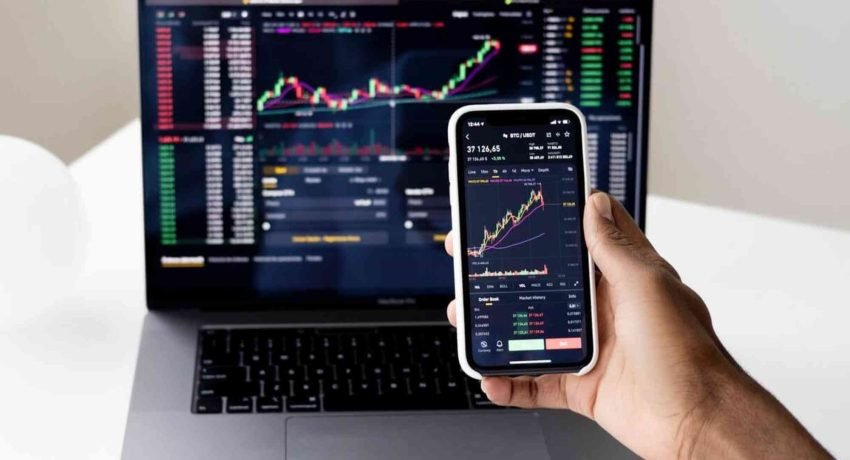
- Technical Analysis uses charts, indicators, and patterns to predict future price movements. Tools like Moving Averages, RSI (Relative Strength Index), and MACD are essential.
- Fundamental Analysis evaluates external factors such as regulations, adoption rates, and macroeconomic trends.
Keep track of Bitcoin news from reputable outlets like BBC or Bloomberg to understand market sentiment.
Start Small and Manage Risks
Bitcoin trading isn’t gambling; it’s a disciplined practice. Risk management should be at the core of your trading plan.
Never invest more than you can afford to lose. Use stop-loss and take-profit orders to automate exits and protect profits. Diversify your portfolio to reduce risk exposure.
Remember — consistency and patience always outperform impulsive decisions.
Keep Learning and Improving
The crypto world evolves fast. New trends like ETFs, DeFi, and blockchain innovations constantly change market dynamics. To stay competitive, keep learning.
Join trading communities, read expert blogs, and follow updates on platforms like How Do I Start Trading Bitcoins. Each new skill and insight will sharpen your trading judgment.
Common Mistakes Beginners Should Avoid
Even experienced traders make mistakes. Avoiding common pitfalls can save you both time and money.
- Skipping Research: Relying on rumors or hype leads to poor decisions.
- Ignoring Fees: Trading costs can eat into profits if you’re not careful.
- Overtrading: Making too many trades increases your risk.
- Emotional Trading: Fear and greed are your biggest enemies.
Always stick to your plan, review your trades, and learn from your results.
FAQs About Bitcoin Trading
How much money do I need to start trading Bitcoin?
You can start with as little as $10 or $20 on most exchanges. However, start with an amount that you can afford to lose.
Is Bitcoin trading legal?
In most countries, yes. However, regulations vary, so it’s best to check your local laws before trading.
How can I make money from Bitcoin trading?
You make profits by buying Bitcoin at a lower price and selling it higher. Some traders also earn through futures or margin trading.
What is the best time to trade Bitcoin?
Bitcoin is traded 24/7, but volatility often increases during major economic announcements or U.S. market hours.
Can I trade Bitcoin without owning it?
Yes. You can use derivatives like futures or CFDs, which allow you to speculate on Bitcoin’s price without holding the asset.
Is Bitcoin trading safe?
It can be safe if you use secure exchanges, store coins properly, and follow risk management principles.
Starting your Bitcoin trading journey doesn’t have to be intimidating. With the right tools, strategy, and mindset, anyone can participate in this growing digital economy.
Take your time to learn, test, and adapt your approach. Remember, every expert trader was once a beginner asking, “How do I start trading Bitcoins?”