
Cleaning Kitchen Hood Filters with Baking Soda — Tips & FAQs
Maintaining a clean kitchen hood filter is essential for a safe, healthy, and odor-free cooking environment. Over time, grease and grime accumulate, reducing efficiency and creating a fire hazard. Fortunately, cleaning kitchen hood filters with baking soda is a simple, eco-friendly, and effective solution. This article offers practical tips, expert guidance, and answers to common questions about cleaning kitchen hood filters with baking soda. Whether you are a beginner or an experienced home cook, you’ll find actionable advice to keep your kitchen fresh and hygienic.
Why Cleaning Your Kitchen Hood Filter Matters
A kitchen hood filter traps grease, smoke, and airborne particles generated during cooking. If left unattended, these residues build up, leading to poor air circulation and even unpleasant odors. Cleaning the filter regularly prevents these issues and extends the life of your kitchen hood. While commercial degreasers are available, baking soda is an inexpensive and environmentally safe alternative that works wonders.
Using baking soda to clean kitchen hood filters not only removes stubborn grease but also eliminates odors naturally. Its mild alkaline properties break down oil and grime without harsh chemicals. This approach is ideal for families with children or pets, as it avoids exposure to toxic cleaners.
Regular maintenance of kitchen hoods improves kitchen safety. Grease accumulation is a fire hazard, and a clogged filter can cause the hood to overheat. By cleaning the filter with baking soda every few weeks, you can ensure smooth operation, energy efficiency, and a cleaner kitchen environment.
Preparing to Clean Your Kitchen Hood Filter
Before starting, it’s important to prepare the necessary materials. You will need baking soda, hot water, a large basin or sink, and a non-abrasive scrub brush. Make sure the hood is turned off and the filter has cooled completely. Some filters are dishwasher-safe, but manual cleaning with baking soda often yields better results.
Start by removing the filter carefully. Most kitchen hoods have simple clips or latches. Take note of how the filter is installed to make reassembly easier. If the filter is heavily soiled, let it soak in hot water for a few minutes to loosen grease.
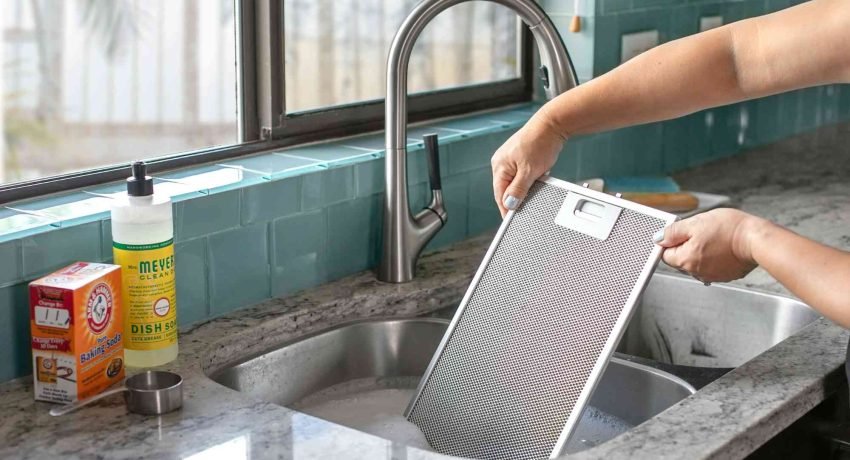
A simple and effective solution is a mixture of baking soda and hot water. Dissolve two to three tablespoons of baking soda in a large basin filled with hot water. The water should be hot enough to melt grease but not boiling, to avoid damaging the filter. Submerge the filter and let it soak for at least 15 to 30 minutes. For particularly greasy filters, you may leave it soaking longer.
Step-by-Step Cleaning Process
After soaking, use a non-abrasive scrub brush or sponge to gently scrub the filter. Pay special attention to corners and edges where grease tends to accumulate. Baking soda will create a foaming action that helps lift stubborn grime. Avoid using metal brushes or harsh abrasives, as they can damage the filter material.
Once the filter is thoroughly cleaned, rinse it under running water to remove any residue. Inspect the filter to ensure all grease and dirt are gone. Repeat the process if necessary. After rinsing, shake off excess water and allow the filter to air dry completely before reinstalling it.
A practical tip is to line your sink or basin with a towel during cleaning. This prevents the filter from slipping and scratching the sink surface. For larger filters, consider cleaning them outdoors in a shallow tub or basin.
By following these steps, you can achieve a sparkling clean filter without harsh chemicals. Baking soda is gentle yet powerful, making it an ideal cleaning agent for regular kitchen maintenance.
Additional Tips for Maintaining Kitchen Hood Filters
Preventive maintenance can save time and effort in the long run. Clean your kitchen hood filter at least once a month, or more frequently if you cook often. Wipe down the exterior of the hood regularly with a damp cloth and mild detergent. This prevents grease from building up on the filter in the first place.
Consider using a baking soda paste for spot cleaning. Mix baking soda with a small amount of water to create a thick paste. Apply it to stubborn grease spots and leave it for 10 to 15 minutes before scrubbing. This method is particularly useful for filters with hard-to-remove residue.
Ensure proper ventilation while cleaning. Open windows or turn on a kitchen fan to dissipate any lingering odors from trapped grease. Baking soda not only cleans but also deodorizes, leaving your kitchen smelling fresh.
If you prefer visual guidance, check resources like How To Clean Kitchen Hood Filter With Baking Soda Guide for step-by-step instructions. These guides often include helpful images and additional tips for different filter types.
Common Mistakes to Avoid
One of the most common mistakes is using boiling water. Extreme heat can warp the filter, especially if it’s made of aluminum. Stick to hot, but not boiling, water. Another error is neglecting to dry the filter completely. Installing a wet filter can lead to mold growth and affect the efficiency of the hood.
Avoid harsh chemical cleaners, which may damage the filter coating or leave toxic residues. Baking soda provides a safe, non-toxic alternative that is gentle on both the filter and the environment.
Refrain from using aggressive scrubbing tools. Steel wool or metal brushes can scratch the surface, reducing filter efficiency. Soft sponges or brushes work best in combination with baking soda’s grease-fighting power.
Discover a seamless way to manage your finances with Basket Banks. Whether you’re looking for easy banking solutions, secure transactions, or smart money management tools, Basket Banks has you covered. Visit the official homepage to explore services tailored for your needs and take control of your financial journey today. Learn more here:
FAQs
How often should I clean my kitchen hood filter with baking soda?
For optimal performance, clean the filter every 4 to 6 weeks. Frequent cleaning is necessary if you cook daily or fry foods often.
Can baking soda damage my kitchen hood filter?
No. Baking soda is mild and safe for most filter materials. Avoid using excessive force when scrubbing to prevent dents or scratches.
Is it safe to use baking soda on aluminum filters?
Yes. Baking soda is non-abrasive, but always use warm water instead of boiling water to prevent warping.
Can I use baking soda instead of dishwasher detergent?
Absolutely. Baking soda effectively breaks down grease and deodorizes the filter. Soaking in a baking soda solution often works better than a dishwasher cycle for heavy buildup.
What should I do if my filter is extremely greasy?
Allow the filter to soak longer in a baking soda solution. You can also apply a baking soda paste to stubborn areas before scrubbing.
Where can I find detailed guides for cleaning kitchen hood filters?
You can refer to How To Clean Kitchen Hood Filter With Baking Soda for comprehensive instructions and tips.
Benefits of Using Baking Soda for Kitchen Hood Filters
Baking soda is affordable, widely available, and environmentally friendly. Unlike commercial degreasers, it is safe for children and pets. Baking soda’s alkaline nature helps break down grease, while its fine particles act as a gentle abrasive to remove stuck-on grime.
Another advantage is odor control. Cooking can leave persistent smells in the kitchen, but baking soda neutralizes them effectively. Regular use prevents smoke, oil, and food odors from lingering.
Baking soda also preserves filter integrity. Harsh chemicals can corrode metal filters over time, but baking soda is gentle and prolongs the life of your kitchen hood. Combined with regular maintenance, this method ensures long-term efficiency and safety.
Expert Advice for Long-Lasting Results
For the best results, establish a cleaning schedule. Monthly maintenance keeps filters free of excessive grease and simplifies the cleaning process. Avoid delaying cleaning until buildup becomes extreme, as this requires more effort and may damage the filter.
Pair baking soda cleaning with general kitchen hygiene. Wipe down stovetops, countertops, and surrounding surfaces after cooking. This reduces grease migration to the hood filter and keeps your kitchen sparkling clean.
For more tips and home cleaning strategies, consult reliable sources such as BBC. These resources provide expert advice and practical solutions for everyday cleaning challenges.
Cleaning kitchen hood filters with baking soda is an effective, safe, and economical method to maintain a hygienic cooking environment. With simple steps like soaking, scrubbing, and rinsing, you can remove grease, deodorize, and extend the life of your filter. Regular maintenance prevents fire hazards, improves air circulation, and ensures your kitchen remains fresh.
Investing a little time in cleaning your kitchen hood filter not only protects your home but also makes cooking a more enjoyable experience. For a detailed step-by-step visual guide, visit How To Clean Kitchen Hood Filter With Baking Soda Guide. By following these expert tips and FAQs, your kitchen hood will stay in top condition, ready for any cooking task.
Take action today: don’t let grease accumulate. Clean your kitchen hood filter with baking soda and enjoy a safer, cleaner, and fresher kitchen every day. Explore How To Clean Kitchen Hood Filter With Baking Soda for more detailed instructions and start your cleaning routine now.