
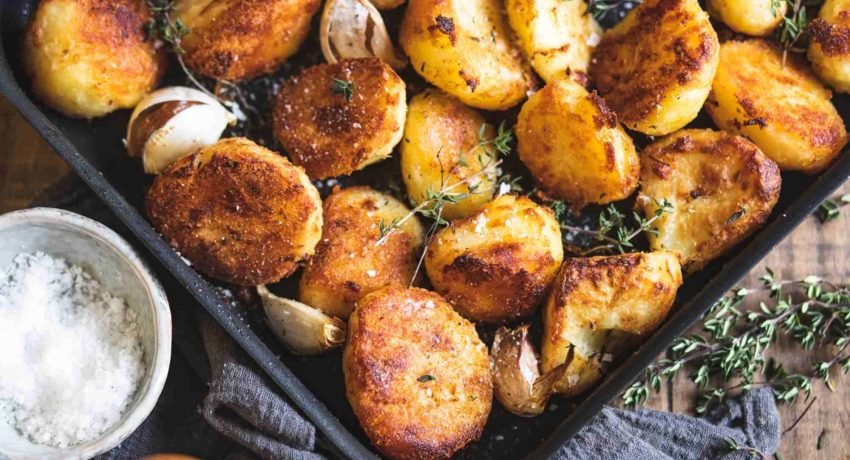
Introduction
Seasonal cooking isn’t just a culinary trend—it’s a way to enjoy ingredients at their peak, reduce waste, and boost nutrition. By choosing foods in season, you unlock the freshest flavors, support local farmers, and create meals that truly reflect the time of year. Whether it’s spring asparagus, summer berries, autumn squash, or winter citrus, seasonal recipes bring color, taste, and variety to your kitchen. In this guide, we’ll explore the best food recipes for seasonal cooking, along with tips, techniques, and FAQs to help you elevate your meals.
Why Choose Seasonal Cooking?
Seasonal cooking offers numerous benefits beyond just taste.
Health Benefits
Eating produce at its natural peak ensures maximum nutrients. For example, tomatoes in summer are juicier and higher in antioxidants than those grown off-season. Similarly, winter greens like kale and Brussels sprouts are packed with vitamins when harvested in cold months.
Cost-Effective
In-season ingredients are abundant, which usually makes them cheaper. Farmers’ markets and local grocers often offer seasonal produce at a fraction of the cost of imported, out-of-season items.
Environmentally Friendly
Buying in-season ingredients reduces transportation emissions and supports local farming practices. Seasonal cooking promotes sustainability and reduces your carbon footprint.
Spring Recipes: Fresh and Light
Spring is all about renewal, so meals are lighter, greener, and filled with vibrant produce.
Asparagus and Pea Risotto
- Ingredients: Fresh asparagus, peas, arborio rice, Parmesan, onion, vegetable broth, white wine
- Instructions: Sauté onion, add rice, then slowly stir in broth and wine. Fold in asparagus and peas near the end, and finish with Parmesan.
- Tip: Use fresh herbs like mint or parsley to enhance the spring flavors.
Strawberry Spinach Salad
- Ingredients: Baby spinach, fresh strawberries, goat cheese, walnuts, balsamic vinaigrette
- Instructions: Toss spinach and sliced strawberries with walnuts and crumbled goat cheese. Drizzle with balsamic vinaigrette.
- Tip: Add grilled chicken for a complete protein-rich meal.
Summer Recipes: Vibrant and Juicy
Summer is perfect for colorful fruits, chilled dishes, and barbecue-friendly recipes.
Grilled Peach and Burrata Salad
- Ingredients: Peaches, burrata, arugula, olive oil, honey, balsamic glaze
- Instructions: Grill peach slices until caramelized. Serve over arugula with burrata, drizzle with olive oil, honey, and balsamic glaze.
Zucchini and Corn Fritters
- Ingredients: Zucchini, corn, flour, egg, scallions, feta cheese
- Instructions: Mix all ingredients into a batter and pan-fry until golden. Serve with yogurt dip.
- Tip: These fritters are perfect for light summer lunches or side dishes at dinner parties.
Autumn Recipes: Warm and Comforting
Autumn brings hearty vegetables, warming spices, and dishes that feel cozy and satisfying.
Pumpkin Soup with Nutmeg
- Ingredients: Pumpkin, onion, garlic, vegetable broth, cream, nutmeg
- Instructions: Roast pumpkin until soft. Sauté onion and garlic, then blend with roasted pumpkin and broth. Heat gently and stir in cream and a pinch of nutmeg.
Roasted Root Vegetables
- Ingredients: Carrots, parsnips, sweet potatoes, olive oil, rosemary, thyme, salt, pepper
- Instructions: Chop vegetables, toss with oil and herbs, and roast at 400°F (200°C) for 30–40 minutes until caramelized.
- Tip: Add a drizzle of honey or balsamic vinegar for extra depth of flavor.
Winter Recipes: Hearty and Nourishing
Winter meals focus on warmth, comfort, and nutrient-rich ingredients to boost immunity.
Citrus Glazed Salmon
- Ingredients: Salmon fillets, orange juice, lemon, garlic, honey, olive oil
- Instructions: Marinate salmon in citrus juice, garlic, and honey. Bake or pan-sear until flaky.
- Tip: Serve with roasted winter vegetables like Brussels sprouts or sweet potatoes.
Spiced Lentil Stew
- Ingredients: Lentils, carrots, celery, onions, garlic, cumin, coriander, vegetable broth
- Instructions: Sauté onions and garlic, add carrots, celery, and lentils. Pour in broth, season with spices, and simmer until lentils are tender.
- Tip: Serve with crusty whole-grain bread for a complete meal.
Tips for Successful Seasonal Cooking
- Plan Around Farmers’ Markets: Visit local markets to see what’s freshest.
- Preserve Excess: Freeze berries, make sauces, or pickle vegetables to enjoy them out of season.
- Experiment with Herbs and Spices: Each season pairs well with specific flavors—mint and basil in spring, rosemary and cinnamon in winter.
- Balance Meals: Combine seasonal fruits, vegetables, proteins, and grains to create nutrient-rich plates.
FAQs
What are the benefits of seasonal cooking?
Seasonal cooking ensures fresher, more nutritious ingredients, supports local farmers, reduces costs, and is environmentally friendly.
How do I know which produce is in season?
Check farmers’ markets, grocery store displays, or online seasonal produce guides specific to your region.
Can I substitute out-of-season ingredients?
Yes, but using seasonal ingredients gives the best flavor and nutrition. Frozen or preserved options can be alternatives.
Is seasonal cooking more expensive?
Usually, it is cost-effective because seasonal produce is abundant and often locally sourced.
Cooking with the seasons transforms everyday meals into vibrant, flavorful experiences. By following these best food recipes for seasonal cooking, you’ll enjoy fresher ingredients, healthier meals, and more satisfying dishes year-round. Start experimenting with seasonal flavors today, explore local markets, and let nature guide your menu.
Looking to furnish your café without breaking the budget? Buy Cafe Chairs Wholesale With Free Shipping and enjoy high-quality, stylish seating at unbeatable prices. Perfect for cafes, restaurants, or home setups, these chairs combine comfort and durability. Save money while upgrading your space with hassle-free delivery right to your door.