
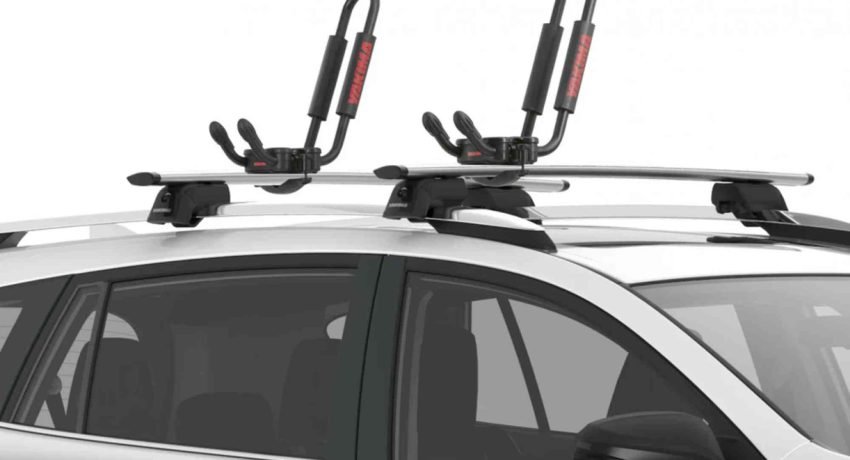
Transporting a kayak can be tricky without the right equipment, and that’s where kayak car rack J hooks come in. Designed to make carrying your kayak easier, safer, and more efficient, these hooks are a popular choice for both casual paddlers and seasoned enthusiasts. Understanding how they work, how to install them properly, and which features to prioritize can make the difference between a smooth trip and a stressful experience on the road. In this guide, we’ll explore everything you need to know to choose and use kayak car rack J hooks confidently.
What Are Kayak Car Rack J Hooks?
Kayak car rack J hooks are specialized mounts designed to hold your kayak securely on top of a vehicle. Shaped like the letter “J,” these hooks cradle the kayak, providing stability during transport. Unlike flat racks or foam blocks, J hooks allow the kayak to sit at an angle, which can reduce wind resistance and improve overall safety while driving.
One of the main advantages of J hooks is their versatility. They can accommodate different kayak sizes, from small recreational kayaks to larger touring models. Many J hooks are also padded, preventing scratches or dents to your kayak’s hull. This combination of convenience and protection makes them a favorite among outdoor enthusiasts who frequently travel to rivers, lakes, or coastal areas.
Benefits of Using J Hooks for Kayak Transport
Using kayak car rack J hooks offers several benefits beyond basic convenience. First, they are easy to load and unload. Unlike rooftop racks that require heavy lifting, the angled design of J hooks allows you to slide the kayak into position with minimal effort. This feature is particularly helpful for solo paddlers.
Second, J hooks improve aerodynamics. By angling the kayak, they reduce drag compared to flat-mounted systems. This efficiency can translate to better fuel economy and less noise during travel. Additionally, the secure hold minimizes movement, reducing the risk of accidents or damage to your vehicle. For those who travel long distances, these advantages are especially valuable.
Finally, J hooks are typically compatible with most crossbars and roof racks, meaning you don’t have to purchase a completely new system. This flexibility allows you to upgrade your transport setup without a significant investment. For further details on options and compatibility, check out our Kayak Car Rack J Hooks Guide.

Key Features to Look For
When shopping for kayak car rack J hooks, several features can influence your choice. First, consider the material. High-quality steel or aluminum hooks offer strength and durability, while lightweight models are easier to handle and reduce the load on your roof.
Padding is another critical aspect. Soft foam or rubber padding prevents scratches and distributes weight evenly across your kayak. Adjustable straps and tie-down points are also essential for securing the kayak firmly. Without proper tie-downs, even the best J hook can fail in adverse weather or at high speeds.
Ease of installation is often overlooked. Some J hooks require no tools, while others may need bolts or crossbar adjustments. Choosing a model that matches your comfort level with installation can save time and frustration. For a detailed overview of the best options, see our dedicated Kayak Car Rack J Hooks page.
How to Install Kayak Car Rack J Hooks
Installing J hooks is straightforward but requires careful attention to detail. Start by ensuring your crossbars are securely mounted to your vehicle. The J hooks attach directly to these bars, typically using clamps or bolts. Position the hooks so that the kayak sits at an angle, usually around 45 degrees, to optimize stability and aerodynamics.
Next, place the kayak into the hooks and secure it with straps. Cross straps over the kayak prevent tipping, while bow and stern lines tie the ends to your vehicle. It’s crucial to double-check that all connections are tight before driving. Even minor looseness can cause the kayak to shift, creating a dangerous situation on the road.
Finally, test the setup with a short drive to confirm stability. Adjust the straps if needed, and make sure the kayak does not make contact with your vehicle’s roof or other items. This simple test can save significant trouble on longer trips.
Safety Tips for Using J Hooks
Safety is paramount when transporting kayaks. Even though kayak car rack J hooks are designed for secure transport, improper installation can lead to accidents. Always check the weight capacity of both your J hooks and crossbars. Overloading can damage your roof and compromise the kayak’s security.
Wind resistance and high speeds can also pose risks. Position your kayak correctly and use additional straps if necessary. Avoid driving in extreme weather conditions whenever possible, and always ensure your kayak does not extend excessively beyond the vehicle’s front or rear. Following these precautions can help protect both your kayak and your car.
Another safety consideration is regular inspection. Before each trip, check for wear on the straps, padding, and metal components. Over time, UV exposure and friction can degrade materials, so replacing worn parts is crucial to prevent failures on the road.
Common Mistakes to Avoid
Many kayak owners make mistakes that could easily be avoided. One common error is using insufficient straps or failing to secure the kayak’s bow and stern. Even a well-fitted J hook setup can fail if these secondary supports are neglected.
Another mistake is ignoring vehicle compatibility. Not all crossbars and roof rails work with every J hook design. Trying to force an incompatible system can result in scratches, loose fittings, or dangerous sway while driving.
Finally, overloading your roof is a frequent issue. Always check the kayak’s weight against your vehicle’s roof limit, including the J hooks and crossbars. A heavy kayak on a weak system can damage your car and pose serious safety hazards.
Comparing J Hooks to Other Rack Systems
While J hooks are highly effective, they are not the only option. Soft roof racks, foam blocks, and cradles all offer alternatives. Soft racks are lightweight and inexpensive but may provide less stability. Foam blocks work well for short trips but do not secure the kayak as tightly during long drives.
J hooks combine the best of both worlds: ease of loading and superior stability. They are particularly beneficial for frequent paddlers, long-distance trips, or larger kayaks that require extra support. For a more in-depth discussion of options, The New York Times has reviewed various kayak transport systems, highlighting the advantages of J hooks for everyday use.
Frequently Asked Questions (FAQ)
What size kayak fits J hooks?
Most J hooks are adjustable and can accommodate kayaks from 8 to 14 feet in length. Always verify the product specifications to ensure compatibility.
Can I install J hooks myself?
Yes, installation is straightforward for most models. Ensure your vehicle’s crossbars are compatible and follow the manufacturer’s instructions carefully.
Do J hooks damage my kayak?
When properly padded and secured, J hooks do not damage your kayak. Using soft straps and foam padding helps prevent scratches.
Are J hooks safe for high-speed travel?
Yes, if installed correctly with all straps secured. However, always check for wind resistance and follow vehicle speed limits when transporting.
Do I need extra straps with J hooks?
Absolutely. Bow and stern straps are essential for additional security, reducing the risk of tipping or shifting during transport.
Kayak car rack J hooks are an efficient, reliable, and user-friendly solution for transporting kayaks safely. With proper installation, padding, and tie-downs, they can handle various kayak sizes while minimizing strain on your vehicle and improving travel safety. For anyone serious about kayaking adventures, investing in quality J hooks is a smart choice.
Ready to upgrade your kayak transport? Explore our Kayak Car Rack J Hooks Guide for detailed recommendations and expert tips to find the perfect fit for your vehicle. With the right setup, you’ll enjoy worry-free trips to every lake, river, and coastline you want to explore.
Related Reading: Become A Live Concert Sounds Engineer In Delhi