
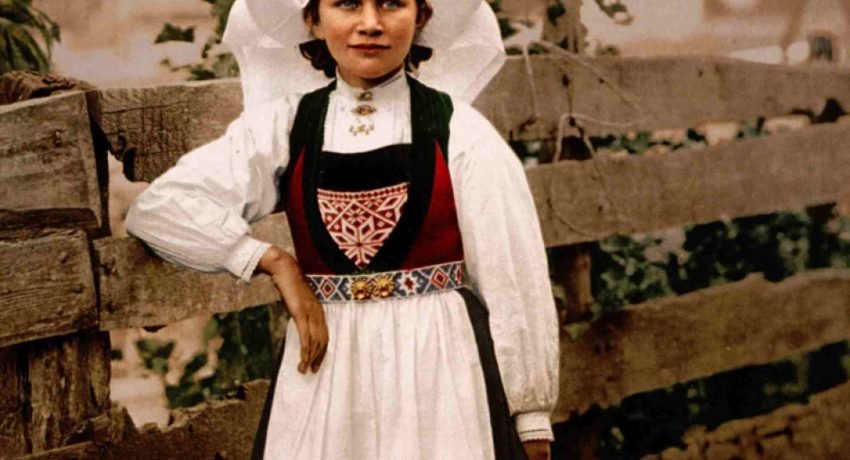
What Clothes Did People Wear In Norway 1905
In 1905, Norway underwent a period of significant social and cultural change, and its fashion reflected both tradition and modernity. Understanding what clothes did people wear in Norway 1905 provides a window into the daily lives, social status, and regional identities of Norwegians at the time. From practical work garments to elegant city outfits, clothing was both functional and symbolic.
Introduction to Norwegian Fashion in 1905
The year 1905 was pivotal for Norway, marking its independence from Sweden. During this time, clothing choices were influenced by social class, geography, and occupation. Urban areas embraced emerging European trends, while rural communities adhered to long-standing folk traditions. Clothes were not only practical but also communicated wealth, profession, and local heritage.
Men, women, and children all had distinct styles, and fabrics ranged from coarse wool for laborers to fine silks for the affluent. Regional variations played a significant role, especially in traditional Norwegian costumes, known as bunads.
Everyday Clothing in Norway 1905
Men’s Daily Wear
For working-class men, practicality was key. Wool trousers, heavy shirts, and sturdy jackets were common. Flat caps or felt hats protected against harsh weather. In cities, middle-class men often wore tailored suits with waistcoats and pocket watches, reflecting modern European influences.
Women’s Daily Attire
Rural women typically wore long skirts, blouses, and aprons. Woolen shawls kept them warm, and leather boots were standard. Urban women, meanwhile, adopted more fitted skirts, blouses, and corsets, alongside elaborate hats. Fabrics were often modest, with patterns reflecting regional identity.
Children’s Clothing
Children’s clothing mirrored adult styles but prioritized comfort and mobility. Boys wore short trousers with shirts and woolen socks, while girls wore simple dresses with pinafores. Hand-knitted garments were common, especially in rural areas.

Traditional Clothing and Regional Variations
The Bunad: Norway’s Folk Costume
The bunad was central to Norwegian identity in 1905. Each region had a unique design, incorporating embroidery, color schemes, and accessories. For women, the bunad included long skirts, blouses, decorative vests, and intricate silver jewelry. Men’s bunads often featured knee-length trousers, jackets, and embroidered waistcoats.
Regional Fabrics and Patterns
Norwegian clothing heavily relied on locally produced wool. Coastal regions favored darker colors for durability, while inland areas incorporated vibrant hues and floral motifs. Embroidery styles often indicated marital status, occupation, or geographic origin.
Formal and Special Occasion Attire
Men’s Formal Wear
In formal settings, men wore dark suits, starched shirts, and polished shoes. Accessories like pocket watches, ties, and hats completed the look. Wealthier men might display fine fabrics or tailored coats, demonstrating social status.
Women’s Formal Dresses
Special occasions saw women in floor-length gowns, often layered with corsets and petticoats. Fabrics like silk and satin were popular, and hats were adorned with feathers or ribbons. Jewelry, including brooches and necklaces, signified wealth and refinement.
Wedding and Festival Clothing
Weddings and festivals often required traditional bunads. BBC Women’s bridal attire included embellished skirts, embroidered blouses, and silver accessories. Men wore decorated bunads with hats and shoes polished for the event.
Influence of European Fashion
Urban Trends
City dwellers in Oslo and Bergen looked to Paris and London for inspiration. Tailoring became more refined, and lighter fabrics were introduced for comfort. Hats and gloves became essential accessories for both genders.
Changing Silhouettes
Women’s fashion began shifting toward a less restrictive silhouette. Skirts were slightly shorter, and corsets became more flexible. Men experimented with slimmer trousers and jackets, reflecting evolving European tastes.
Fabrics and Materials Commonly Used
Norwegians in 1905 relied on natural fibers. Wool was essential for warmth, especially in rural areas. Cotton and linen were common for shirts and blouses, while silk and satin were reserved for formal wear. Leather boots and gloves were practical staples.
Clothing for Work and Outdoor Activities
Agricultural Work
Farmers and laborers needed durable clothing. Woolen trousers, sturdy boots, and thick jackets were standard. Work attire prioritized function over style, with simple designs and muted colors.
Fishing and Coastal Occupations
Fishermen wore oil-treated coats and hats to protect against rain and sea spray. Woolen sweaters and trousers offered warmth during long days at sea. Accessories were minimal, emphasizing practicality.
Winter Clothing
Norwegian winters demanded heavy layering. Woolen stockings, coats, scarves, and mittens were essential. Fur-lined hats and boots provided additional protection in rural and coastal communities.
Accessories and Footwear
Accessories reflected social status and regional style. Men wore hats, gloves, and pocket watches. Women used shawls, gloves, and decorative pins. Footwear ranged from leather boots for daily use to fine shoes for formal occasions.
Understanding what clothes did people wear in Norway 1905 reveals a culture balancing tradition and modernity. From practical rural garments to stylish urban outfits, Norwegian clothing told a story of identity, climate, and social hierarchy. Today, studying these styles helps historians and fashion enthusiasts appreciate Norway’s rich heritage.
Explore more about historical clothing trends and discover guides on traditional Norwegian attire to enrich your knowledge. Dive into the world of Norwegian fashion history and see how past styles influence modern fashion today.
FAQ
What were typical men’s clothes in Norway in 1905?
Men wore wool trousers, jackets, and hats for daily use, while formal occasions required suits, waistcoats, and polished shoes.
How did Norwegian women dress in 1905?
Women’s clothing included long skirts, blouses, corsets, and shawls. For formal events, gowns with silk and satin were common.
What is a bunad and why was it worn?
A bunad is a traditional Norwegian folk costume. It represented regional identity and was worn for festivals, weddings, and special occasions.
Did children dress differently from adults in Norway 1905?
Yes, children wore simpler versions of adult attire. Comfort and mobility were prioritized, with boys in short trousers and girls in dresses with pinafores.
How did European fashion influence Norway in 1905?
Urban areas adopted Parisian and London trends, including tailored suits, lighter fabrics, and refined silhouettes for both men and women.
Where can I learn more about Norwegian historical clothing?
Resources like museum archives, fashion history books, and online articles from credible sources such as BBC provide detailed insights.
For a comprehensive understanding, check out this What Clothes Did People Wear In Norway 1905 Guide.